If you are buying a home in Santa Fe, the view can feel like the whole point. Big skies, mountain backdrops, glowing sunsets, and bright high-desert light shape how a home lives day to day. But a great view is not just about what you see from the driveway. It is about sunlight, privacy, usability, future changes, and whether the premium makes sense for your goals. Let’s dive in.
Why views matter in Santa Fe
Santa Fe is a natural view market. The city sits in the foothills of the Sangre de Cristo Mountains at about 7,000 feet, and it is known for abundant sunshine and four distinct seasons. With average annual temperatures around 50°F, modest precipitation, and snowfall that still leaves many bright winter days, sightlines and sun exposure play a major role in how a home feels throughout the year.
The setting also supports an outdoor lifestyle. Santa Fe manages more than 2,500 acres of parks and open space and more than 170 miles of trails. That makes mountain horizons, open skies, and usable outdoor spaces more than a luxury feature. In many homes, they are part of everyday living.
Start with the type of view you want
Not every Santa Fe view home offers the same experience. Some properties frame mountain ridgelines, while others lean into city lights, sunset skies, or open-space outlooks. Before you focus on price or finishes, it helps to define what kind of visual experience matters most to you.
For some buyers, a broad panoramic view is the priority. For others, the better fit is a home with a more intimate setting that still captures light and landscape from a portal, patio, or living room. In Santa Fe, the right choice often comes down to how you want to live, not just what looks best in photos.
Neighborhood feel and view style
Different parts of Santa Fe tend to deliver different tradeoffs. Museum Hill is known for a peaceful setting and strong views, along with nearby museums and the botanical garden. The Historic District centers more on Plaza charm and walkability, Canyon Road is known for its tree-lined and pedestrian-friendly setting, and the Southside is more residential with access to natural areas.
That does not mean one area is universally better for a view buyer. It means your best fit may depend on whether you care most about panorama, walkability, privacy, or access to open space. In a market like Santa Fe, those priorities can shape your search as much as square footage.
Compare orientation and sunlight carefully
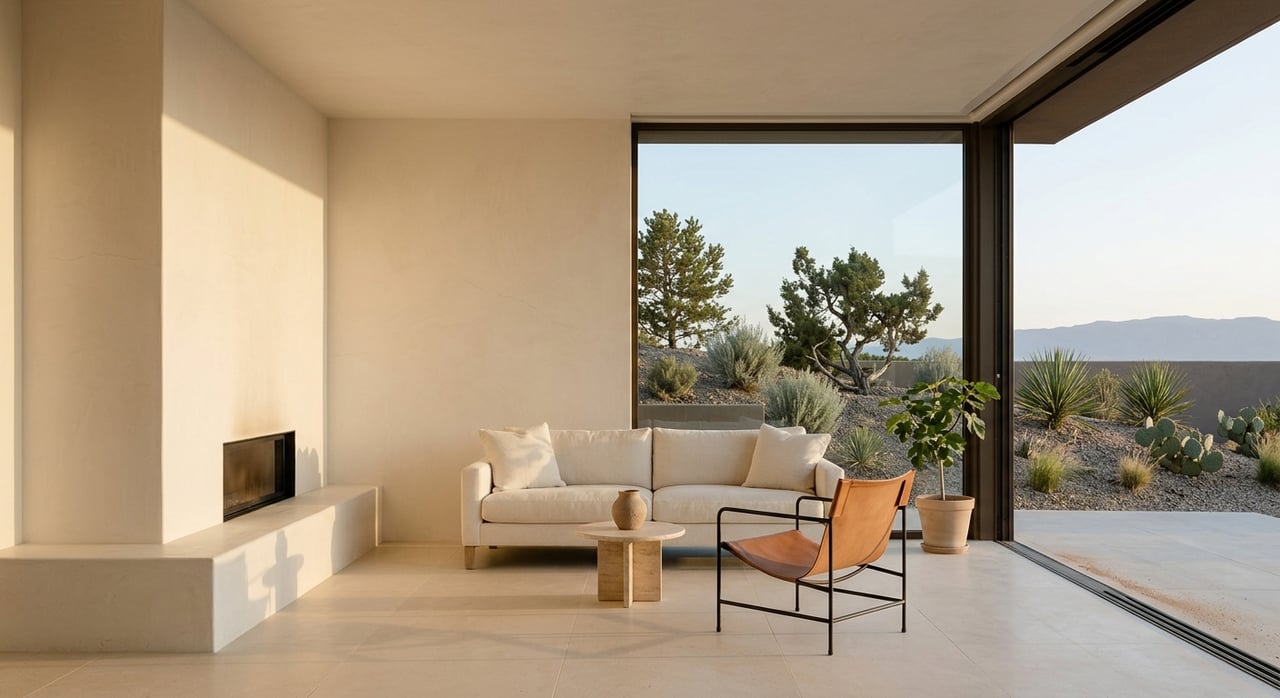
In Santa Fe, sunlight is a major part of the value of a view home. South-facing windows can help capture winter sun, which can improve comfort during colder months. But too much direct exposure without proper shading can also lead to overheating during warmer parts of the year.
This is why orientation matters as much as the view itself. A dramatic wall of glass may look impressive during a showing, but you also want to know how the home performs in the morning, afternoon, and across seasons. In a sunny, high-elevation climate, that can affect both comfort and utility costs.
What to notice on a tour
As you walk a property, pay attention to:
- Where the main living spaces face
- How much direct sun reaches the windows
- Whether patios, portals, or decks have useful shade
- What blocks the view or solar access now
- What could block it later, including trees or nearby building sites
The Department of Energy notes that future obstructions to the south can reduce solar access. In Santa Fe, that makes it especially important to think beyond the current snapshot. A view that feels wide open today may change if rooflines, additions, or landscaping shift over time.
Make sure the view is actually usable
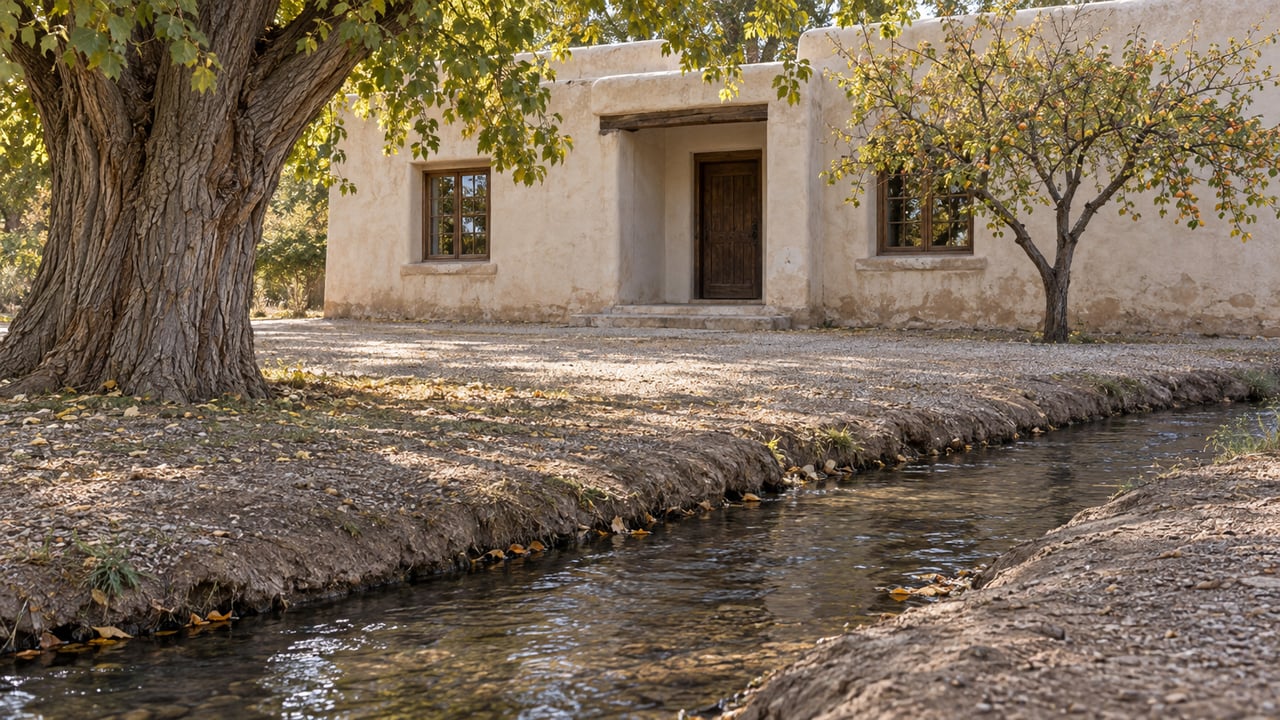
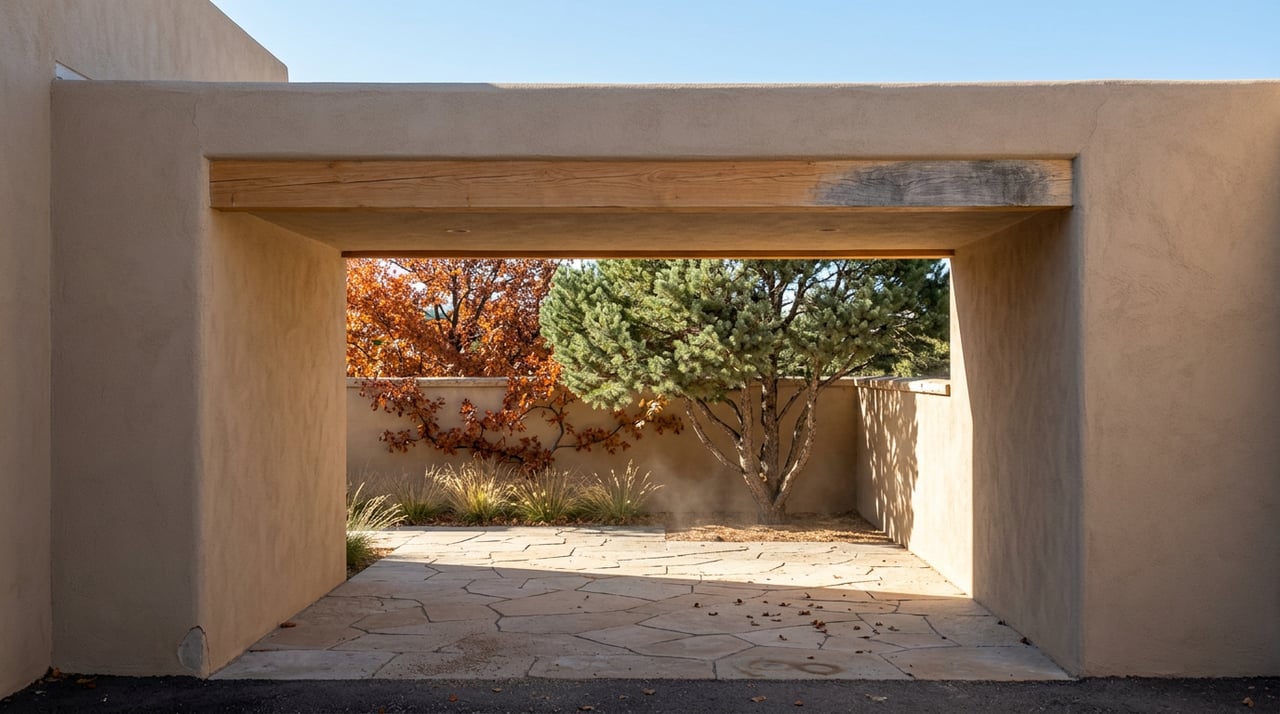
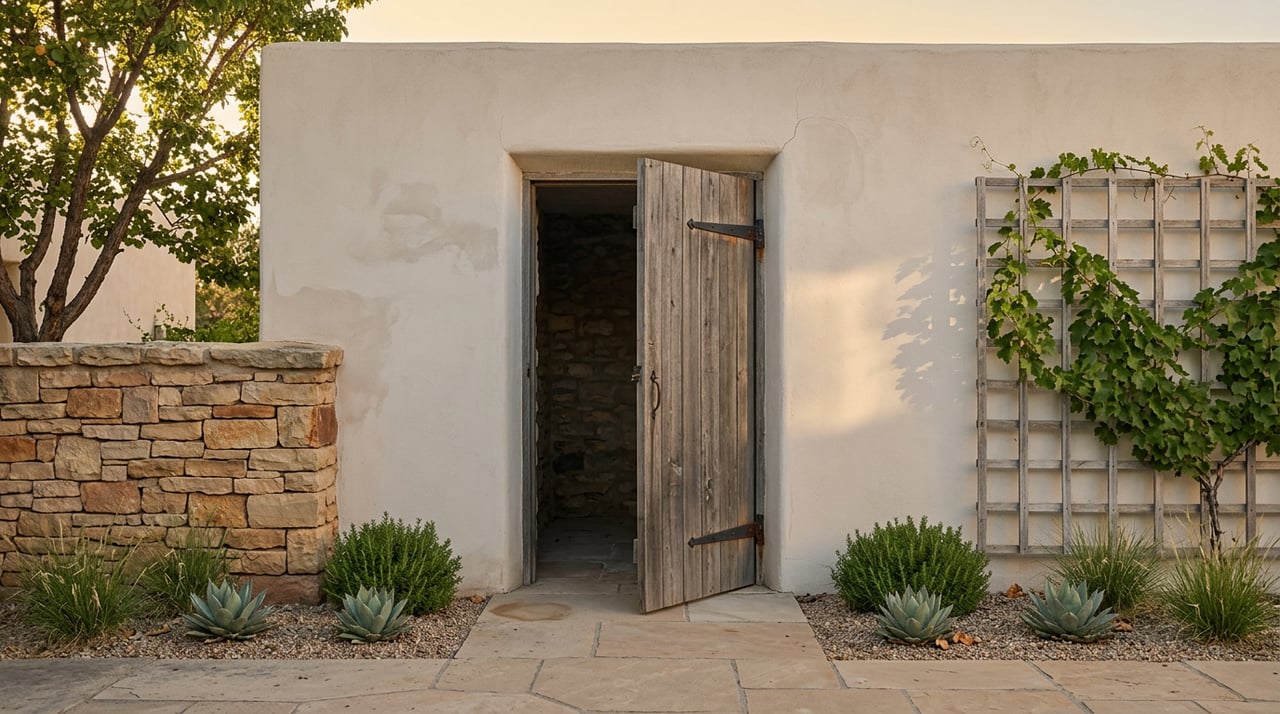
A beautiful sightline is more valuable when you can enjoy it from the places where you spend time. Santa Fe architecture often includes low-slung adobe forms, portales, and exterior patios, which can make the connection to the outdoors feel seamless. That design tradition fits well with the city’s strong culture of trails, parks, and open-air living.
When you tour a view property, ask yourself a simple question: Where will you actually experience the view most often? If the answer is only from one bedroom window, the premium may feel different than if the view opens from the living room, kitchen, portal, or main outdoor entertaining space.
Look beyond the listing photos
Photos can make almost any outlook look larger than life. What matters more is whether the home lets you enjoy that setting in daily routines. Morning coffee on a shaded patio, evening light from the great room, or mountain views from the primary suite often matter more than a single dramatic angle.
In other words, the best view home is not always the one with the widest vista. It is often the one that connects the view to the way you live.
Think about privacy and topography
View lots often come with more exposure. Santa Fe’s GIS map tools include hillshade, mountainous difficult terrain, and escarpment overlay layers, which reflect how important terrain and slope are in local planning. On the ground, that can translate into more visibility from neighbors, the street, or homes below.
This is one of the biggest tradeoffs in a Santa Fe view home. You may gain openness and scenery, but you may also lose some privacy. That balance is worth studying closely during showings and due diligence.
Questions to ask about privacy
As you evaluate a home, consider:
- Can neighbors see into the main living areas or outdoor spaces?
- Does the lot sit above or below nearby homes?
- Are there roof decks, second-story windows, or streets nearby that affect privacy?
- Could future tree growth change the view or screening?
- Does the terrain create any visibility concerns you would not notice from inside?
A strong view is appealing, but a comfortable sense of privacy often affects long-term satisfaction just as much.
Know what can and cannot be changed later
Some buyers assume they can improve a view home after closing with larger windows, a roof deck, or an addition. In Santa Fe, that may not always be simple. In core historic districts, architecture is protected by city laws so that new construction fits the older character of the area.
That can help preserve the feel of a neighborhood, but it can also limit the kinds of changes a future owner can make. If you are buying with plans to remodel, expand glazing, or alter roof features, it is important to understand those constraints early.
Remodels and new construction matter too
For new construction and major remodels, Santa Fe’s Residential Green Building Code requires HERS and WERS ratings for new single-family, attached, and detached homes. Additions and remodels use project-specific checklists tied to scope. For view homes, that matters because large windows, solar exposure, and outdoor-living design all affect energy performance and permitting.
This is one reason local guidance matters so much in Santa Fe. Land-use laws can be complex, and they may affect what you can do with a property over time.
Decide when a view premium is worth it
Views usually command a premium, but not every view adds value in the same way. Research consistently shows that attractive views can raise home prices, especially natural landscape views, though the effect varies by price tier and market segment. In practical terms, that means you should expect to pay more for a view home, but the premium should still make sense relative to the quality and durability of the view.
Santa Fe market data also shows how segmented the local market can be. The Santa Fe Association of Realtors reported a Q1 2025 median sales price of $720,000 for single-family homes in Santa Fe City and County and $438,500 for townhouses and condos, while Redfin reported a March 2026 Santa Fe city median sale price of $545,000. Those differences are a reminder that property type, location, lot size, privacy, and architecture can all shift value significantly.
A simple way to judge value
A higher price may be easier to justify when the view is:
- Broad and easy to enjoy from main living areas
- Hard to replicate in nearby competing homes
- Less likely to be blocked by future building or tree growth
- Supported by strong outdoor living spaces
- Paired with privacy and comfortable sun exposure
The most durable views tend to hold value best. If the sightline is broad, protected, and easy to describe, it may also be easier to position at resale.
Why local expertise matters in Santa Fe
Santa Fe’s own real estate association notes that local land-use laws are complex and can affect property rights. It also highlights education around city and county regulations, architecture, title, and water rights. For a buyer, that is a useful signal that buying a view home here involves more than just choosing the prettiest setting.
You want to understand the full picture: the orientation, the privacy, the likely resale appeal, and the local rules that could shape the property later. In a market where terrain and design matter this much, good guidance can help you avoid paying a premium for a view that does not work as well as it first appears.
If you are weighing view homes in Santa Fe, the best next step is to compare them through both a lifestyle lens and a market lens. A thoughtful local advisor can help you sort through neighborhood fit, view quality, pricing, and what may be possible after closing. If you want a clear, data-backed perspective on Santa Fe homes and neighborhoods, connect with Austin Wolff.
FAQs
What should you look for in a Santa Fe view home?
- Focus on the type of view, the home’s orientation, sun exposure, privacy, outdoor usability, and whether the sightline is likely to stay open over time.
Which Santa Fe areas may offer strong views?
- Museum Hill is noted for a peaceful setting and strong views, while other areas may offer different tradeoffs such as walkability, tree cover, or access to natural areas.
How does sunlight affect a view home in Santa Fe?
- South-facing windows can help capture winter sun, but shading matters so the home stays comfortable during warmer seasons.
Does a view always justify a higher price in Santa Fe?
- Not always. View premiums exist, but they vary by property type, location, privacy, architecture, and how durable and usable the view is.
Can you remodel a Santa Fe view home to improve the view later?
- Sometimes, but changes may be limited by local land-use rules, historic-district standards, and green building requirements tied to project scope.