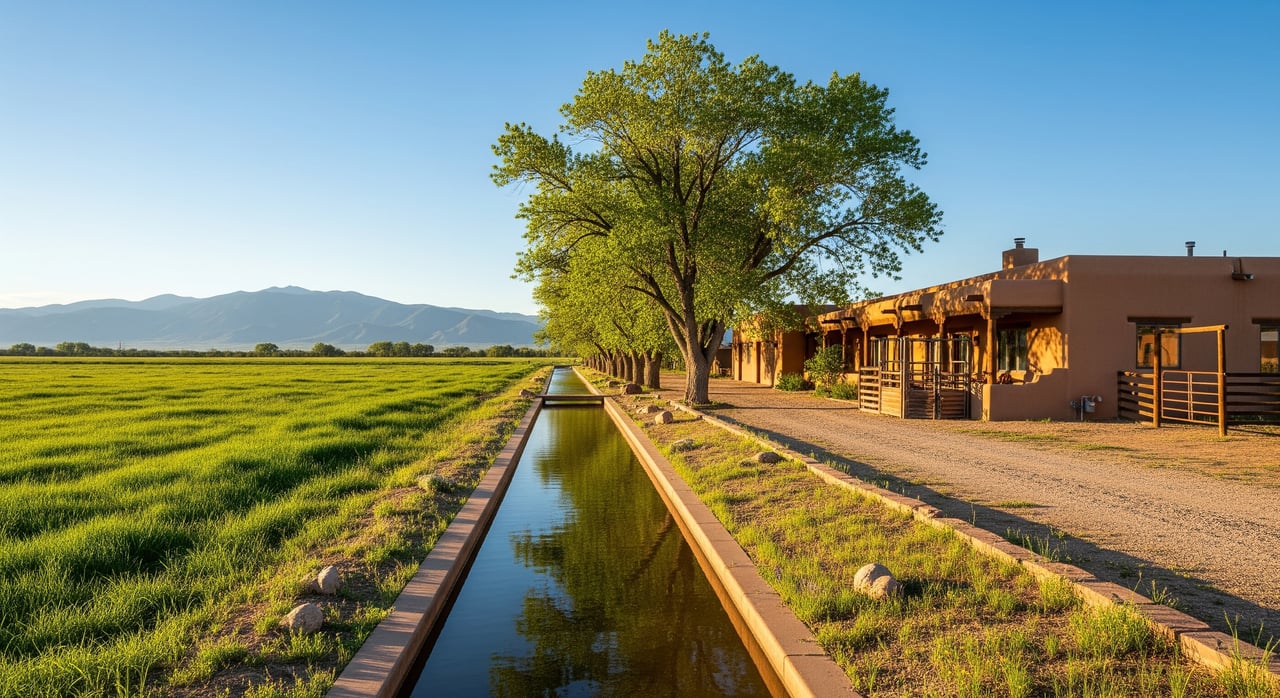
Dreaming of space for horses, an orchard, or a garden with mountain views? Corrales offers all of that, but acreage here comes with unique water, septic, zoning, and access details that you need to understand before you buy. With a clear plan, you can protect your investment and enjoy the lifestyle you want. This guide walks you through the essentials so you can write a strong, safe offer. Let’s dive in.
Quick snapshot: How acreage works in Corrales
Corrales acreage often mixes surface irrigation from acequias with private domestic wells for household use. Many parcels rely on onsite septic systems, not sewer. Zoning controls animals, barns, setbacks, and small agricultural uses. Parts of the village lie in mapped floodplains and riparian areas, so flood and bosque rules can affect improvements and insurance.
Water: acequias and wells
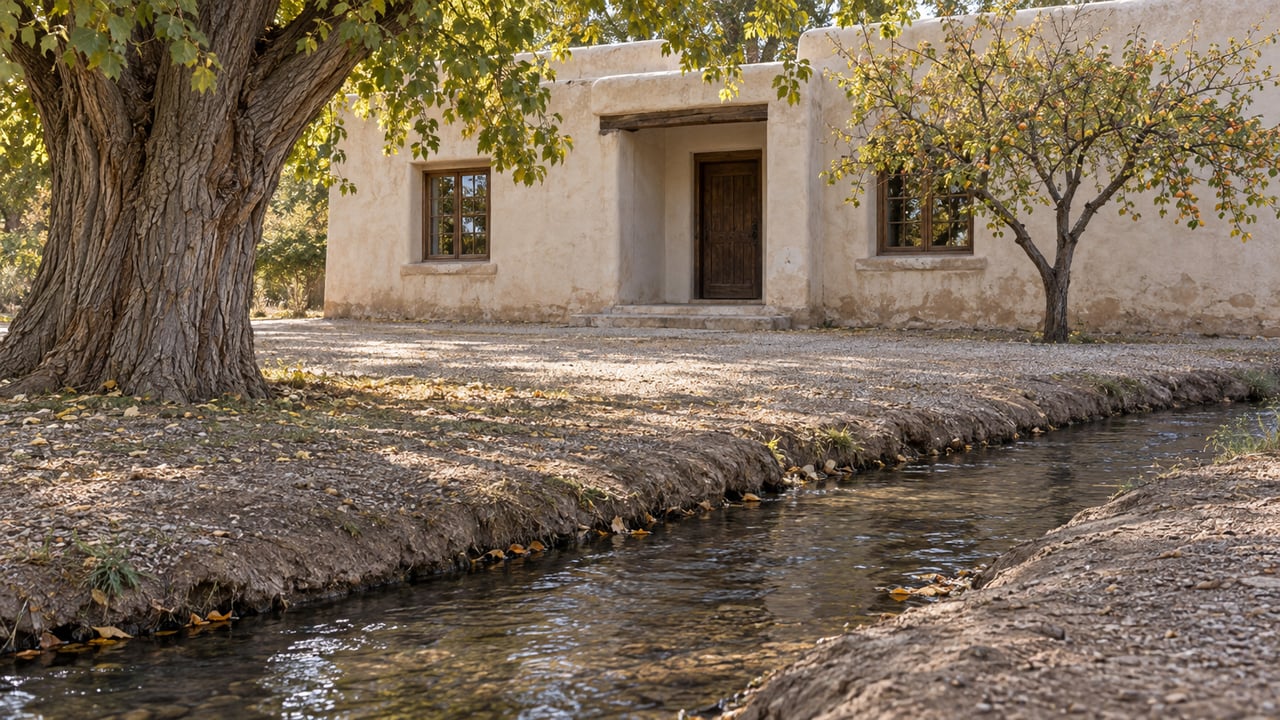
Acequias and surface irrigation
If the property receives surface irrigation, confirm the acequia or ditch association and get documentation. Ask for bylaws, meeting minutes, assessment schedules, and a history of water deliveries and curtailments. Find out how deliveries are managed in dry years and whether acreage has been curtailed before. Clarify how assessments are billed and whether unpaid amounts can attach to the property.
Irrigation water rights on title
If irrigation water rights are recorded to the property, request the recorded water right information, including priority date and type of right, and confirm with the New Mexico Office of the State Engineer (OSE). Verify whether rights were ever severed or sold. If you plan to irrigate more than a garden, make sure the right and delivery capacity align with your intended use.
Private wells: verify permit, yield, and quality
Most acreage homes use private domestic wells. Ask the seller for the well completion report and confirm the permit with the OSE. Document well depth, static water level, pump details, and tested yield in gallons per minute. Include a contingency for a professional well flow test, especially if you plan to irrigate, add animals, or expand landscaping. Test water quality for total coliform and E. coli, nitrate, total dissolved solids, hardness, arsenic, and uranium. If you may need a new well, consult OSE early about permitting in declared management areas.
Practical irrigation questions
- Is there legal and working headgate access and lateral ditch infrastructure to deliver water to the fields or orchard?
- Are pumps, gates, and laterals in good condition and located within the property boundaries?
- What are the typical delivery time windows, and who controls scheduling?
- Does delivery capacity match your pasture or orchard plan?
Septic systems and soils
Why septic matters
Onsite wastewater systems are common in Corrales, and soil type and lot size influence what is allowed. System capacity usually ties to bedroom count and projected use. Permits and rules are administered through the New Mexico Environment Department’s Onsite Wastewater Program and local building departments.
Inspecting an existing system
Schedule a septic evaluation by a qualified inspector. A thorough check should include:
- Tank inspection to assess levels and structural condition
- Locating and evaluating the leach field, often with a dye test
- A functional flow test tied to the current or planned bedroom count
- Identification of system type and required maintenance Ask for permits, age, maintenance records, and any pump-outs or repairs.
If a replacement is likely
Replacement cost and feasibility depend on soils, space, and setbacks. Order soils and percolation evaluations if there is any question about future expansion or replacement. Confirm all setbacks from wells, ditches, property lines, structures, and streams with local authorities before you plan changes.
Zoning, animals, and accessory uses
Confirm your zoning district
Most Corrales acreage falls under the Village of Corrales Land Use Code. Before you buy, confirm the parcel’s zoning, allowed densities, setbacks, and rules for accessory structures with the Village planning and zoning office. Ask about any overlays, including floodplain or riparian protections, that may add conditions or limits.
Horses and large animals
Corrales is known for equestrian and small agricultural uses, but numbers per acre and facility standards can vary. Confirm any limits on horses or large animals, manure storage and disposal rules, and setback requirements for barns, corrals, and pens. Verify whether boarding, training, or related activities require permits.
Barns, arenas, fencing, and sheds
Most structures over a size threshold require permits and must meet height and setback limits. Check how new slabs, foundations, or arena lighting are regulated. Confirm septic and well setbacks before you site any structure, and verify whether previous additions were permitted.
Small ag and agritourism
If you plan to sell produce, host a farm stand, or run agritourism activities such as rides or events, ask the Village whether these uses are permitted by right or require a conditional use permit or business license.
Floodplain, bosque, and environmental checks
Flood maps and insurance
Parts of Corrales lie within FEMA Special Flood Hazard Areas. If a home or building site is in a mapped floodplain, lenders may require flood insurance and the Village will regulate construction and elevation. Order a flood determination early and review any elevation certificates.
Bosque and riparian protections
The Rio Grande bosque and riparian corridors carry conservation rules. Tree removal, bank work, or improvements near riparian zones may require permits or special reviews. Ask the Village about local protection zones and setbacks before planning any work near the river or arroyos.
Drainage, arroyos, and erosion
Corrales includes arroyos and historic drainage paths. Confirm whether drainage easements cross the property. Look for erosion, arroyo migration, or areas that pond water. Plan improvements that maintain or improve site drainage.
Access, utilities, and easements
Road access and maintenance
Private roads and long driveways are common on acreage. Confirm legal access to a public road and whether a recorded maintenance agreement covers any shared private road. Ask who maintains the surface, how costs are split, and whether there are road or bridge weight limits.
Utilities and broadband
Electric service in the region is typically from Public Service Company of New Mexico, and many rural homes use propane. Broadband availability can vary, and some areas rely on satellite or fixed wireless. Confirm provider options and speeds during due diligence.
Ditch crossings and culverts
If your driveway or pasture access crosses an acequia or lateral, you may need a permitted gate or culvert and coordination with the ditch or conservancy entity. Verify any crossing permits and maintenance obligations with the acequia or district.
Survey, title, and easements
Order a current title commitment and a boundary or location survey. Review recorded easements for access, utilities, and irrigation, and map them against current improvements. Confirm any covenants or CC&Rs that limit uses. In New Mexico, mineral rights are often severed from the surface estate, so check for mineral reservations and consult an attorney if needed.
Common inspection surprises in Corrales
- Low well yield or seasonal water table drops
- Elevated nitrate, arsenic, or uranium in well water
- Failing or undersized septic systems, or missing permits
- Damaged or unpermitted ditch infrastructure or encroachments into ditches
- Encroachments or unclear easements found during survey
- Flood or arroyo erosion history near river-adjacent parcels
- Unpermitted barns, sheds, or guest spaces that complicate financing
Offer strategy and due diligence timeline
Before you write an offer
- Speak with your lender about requirements for wells, septic, and acreage
- Call the Village planning and zoning office to confirm basic zoning and any overlays
- Ask your agent to request acequia information, well records, and septic details from the seller
Build smart contingencies into your offer
- Water: OSE well report verification, professional well flow test, and full lab water analysis
- Irrigation: acequia membership confirmation, assessment history, bylaws, delivery records
- Septic: certified inspection with functional test and dye test if needed
- Survey: boundary and easement location survey to identify encroachments and crossings
- Title: review for easements, covenants, ditch assessments, liens, and mineral reservations
- Access: confirmation of legal access and any private road maintenance agreement
- Floodplain: flood determination and review of any elevation certificate if applicable
- General: home inspection plus targeted inspections for barns, arenas, and outbuildings
During escrow
- Order inspections immediately to preserve response timelines
- Request maintenance records for wells, pumps, septic, fencing, corrals, and irrigation hardware
- Confirm utility options and estimated costs for electric, propane, internet, and trash service
- If you plan improvements, discuss permits with the Village to confirm feasibility
Local contacts to line up
- Village of Corrales Planning and Zoning and Building Department for land use, permits, and floodplain guidance
- New Mexico Office of the State Engineer for well records and water rights queries
- Acequia or ditch association that serves the parcel, plus Middle Rio Grande Conservancy District if relevant
- New Mexico Environment Department Onsite Wastewater Program and local septic designers or inspectors
- USDA NRCS and NMSU Cooperative Extension for soils and small-farm best practices
- Title company and surveyor experienced with Corrales ditch easements and rural title issues
- Licensed well drillers and acreage-savvy home inspectors
Make your move with confidence
Buying acreage in Corrales is about matching your dream to the site’s water, soils, access, and rules. When you verify acequia rights, well capacity and quality, septic health, zoning, flood risk, and easements up front, you set yourself up for years of enjoyment. If you want a local guide who can coordinate the right inspections and keep your timeline on track, we are here to help. Connect with Austin Wolff to schedule a free consultation.
FAQs
Will acequia water always be available in Corrales?
- No. Deliveries depend on the acequia association and state water law, and can be limited in dry years. Ask for written policies and historical delivery records.
Does a private well automatically transfer with the property?
- Only if it is on the property and properly permitted. Verify the OSE permit, well completion report, tested yield, and water quality during due diligence.
Can you keep horses and build a barn on Corrales acreage?
- Often yes, but numbers, setbacks, manure rules, and structure permits vary by parcel and zoning. Confirm details with the Village planning and zoning office.
Are acequia assessments billed to the owner or the property?
- They are commonly tied to the property, but billing and collection methods vary. Ask the acequia and your title company whether assessments can become recorded liens.
Will your lender require flood insurance in Corrales?
- If any structure lies in a FEMA Special Flood Hazard Area, many lenders require flood insurance. Order a flood determination and check local floodplain rules early.