If you already know you want Albuquerque’s West Side, the harder question is often which part of the West Side fits your life best. Ladera Heights and Paradise Hills both offer west-side living, but they feel different in price, pace, housing mix, and daily convenience. This guide breaks down the key differences so you can compare them with more clarity and confidence. Let’s dive in.
West Side location at a glance
Ladera Heights and Paradise Hills are both recognized west-side Albuquerque neighborhoods, but they sit in different positions within the larger area. Ladera Heights is closer to the downtown, Route 66, and I-40 corridor, while Paradise Hills sits farther into the northwest suburban grid.
That location difference shapes a lot of the day-to-day experience. If you want a west-side neighborhood with quicker access toward central Albuquerque, Ladera Heights has the more direct setup. If you prefer a more suburban northwest feel, Paradise Hills tends to match that better.
Home prices and market feel
Current market snapshots show a noticeable price gap between the two areas. In May 2026, Realtor.com showed Ladera Heights with a median listing price of $270,000, while Paradise Hills Civic showed a median listing price of $405,000.
That makes Ladera Heights the lower entry-price option based on current neighborhood-level data. Paradise Hills Civic sits in a higher price band, which may appeal to buyers looking for a broader range of larger or newer-feeling suburban homes.
The same snapshots also suggest different market activity patterns. Ladera Heights had 6 homes for sale, 40 homes for rent, and a median 72 days on market. Paradise Hills Civic had 66 homes for sale, 72 homes for rent, and a median 50 days on market.
These are broad portal snapshots, not parcel-by-parcel valuations, so they work best as directional data. Still, they point to a clear trend: Paradise Hills generally offers more available inventory, while Ladera Heights may appeal to buyers focused on a lower starting price point.
Housing styles and neighborhood character
Ladera Heights housing mix
Ladera Heights offers a mix of newer and older west-side housing. Local market sources describe detached homes, condos, townhomes, and even some one-acre lots, which gives the area a more varied housing profile than some buyers expect.
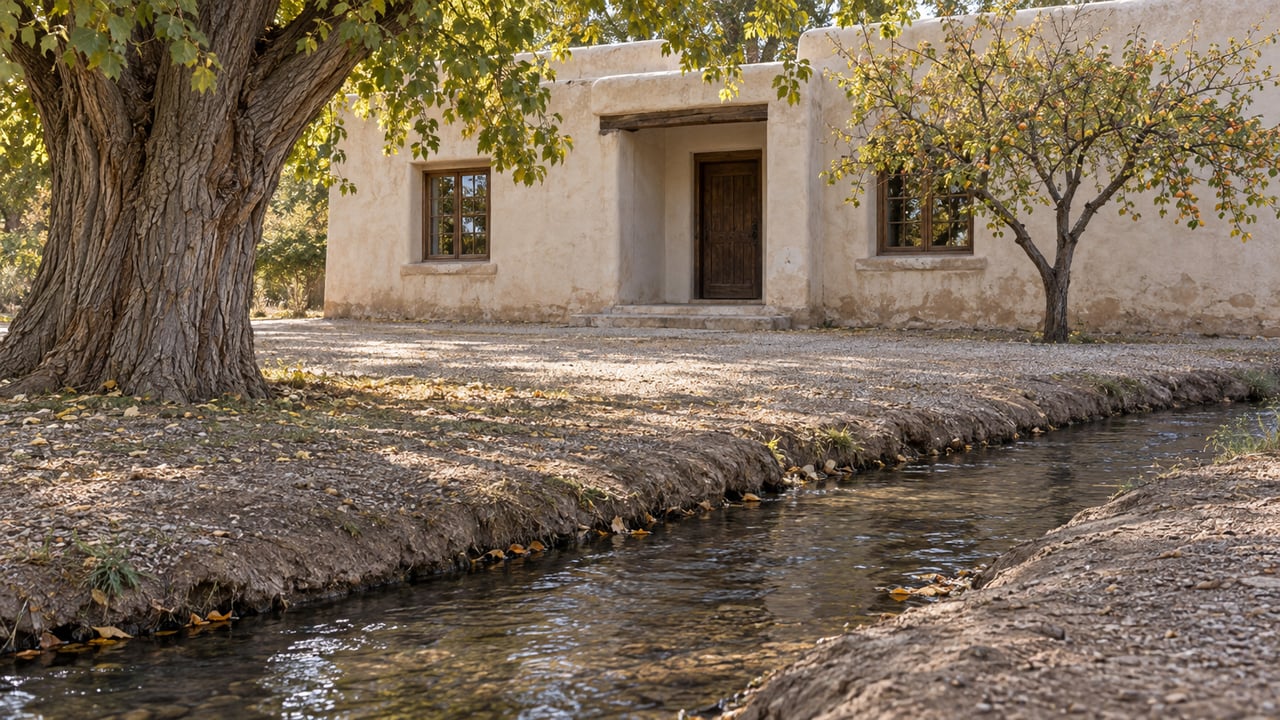
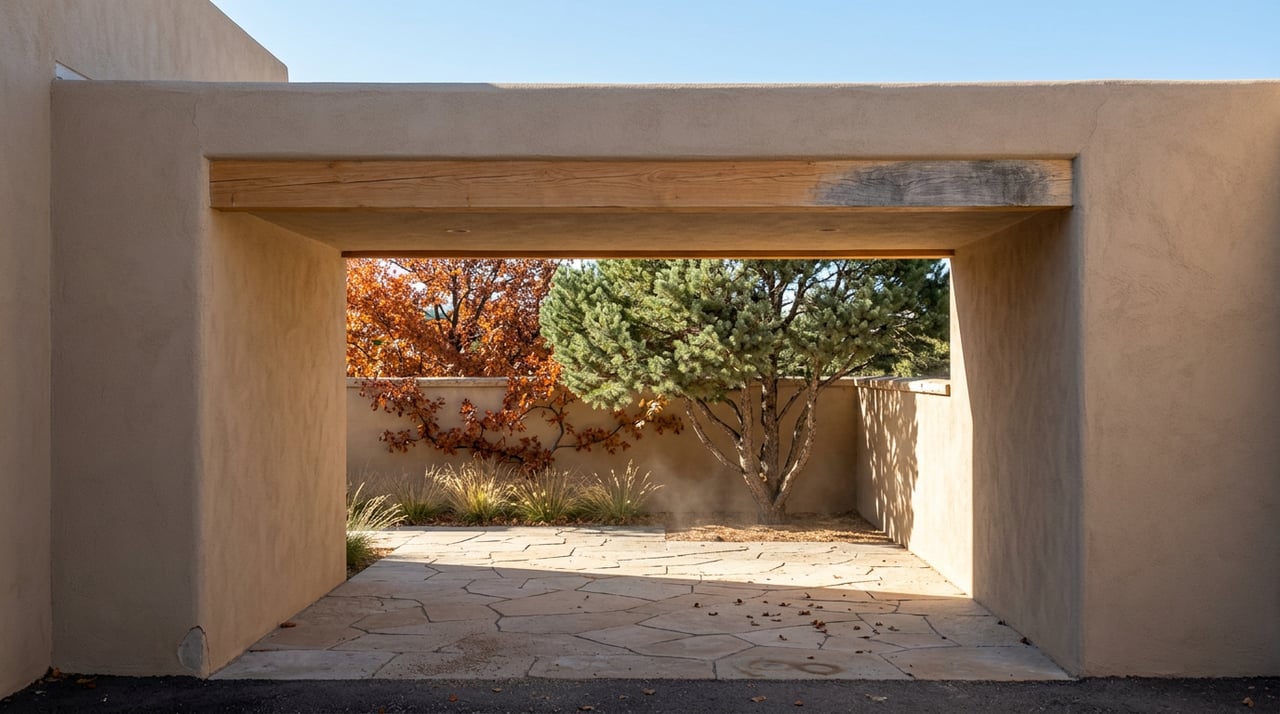
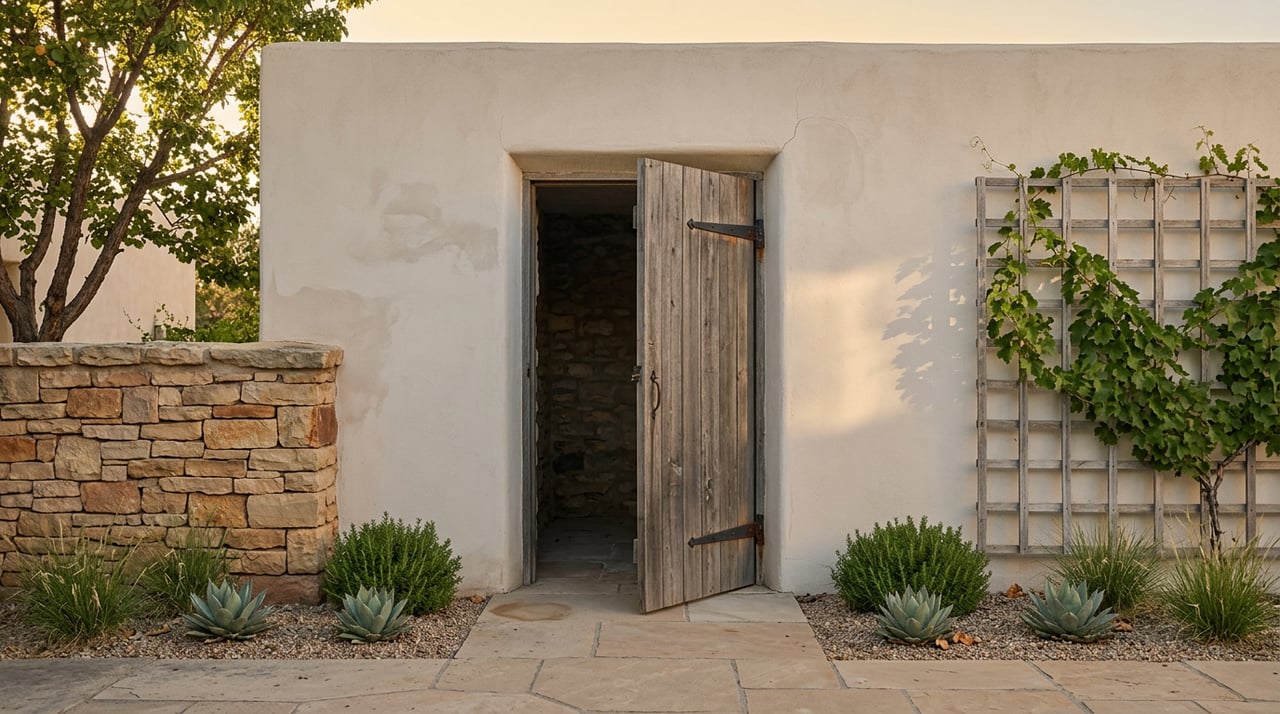
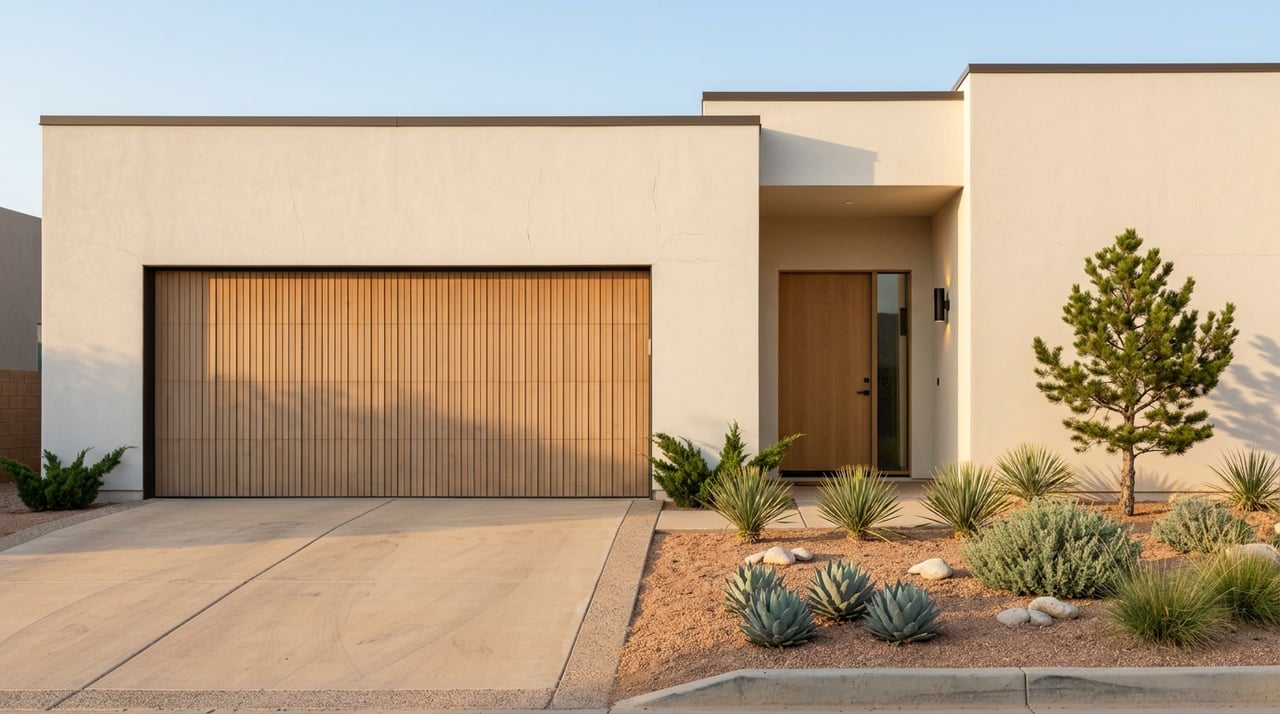
Homes.com describes much of the housing stock as late-20th-century Pueblo and Spanish Revival styles in the northwest portion of the neighborhood, with 1970s and 1980s ranch homes in the southeast. Attached two-car garages and xeriscaped yards are common features.
For buyers, that often means you may find more variety in age, layout, and lot style within the same general area. If you like having options across price points and home types, Ladera Heights has a flexible feel.
Paradise Hills housing mix
Paradise Hills Civic also has variety, but the overall mix leans more toward 1990s and 2000s Pueblo and Spanish Revival homes. Around the golf course, the housing includes midcentury modern, Pueblo, ranch, and custom homes that are more than 30 years old.
The southern edge also includes 1970s and 1980s Pueblo townhouses. Compared with Ladera Heights, Paradise Hills often reads as more suburban in its layout and has a wider spread of homes tied to golf-course living and nearby retail corridors.
Golf and outdoor access
Why Ladera Heights stands out outdoors
Ladera Heights has a strong case for buyers who want easy access to open space and public golf. The City’s Ladera Golf Course opened in 1980, includes a lighted driving range, and has the longest yardage of any City-owned course.
The neighborhood’s west side borders Petroglyph National Monument. The City also says the West Mesa open-space system includes more than 10,000 acres on Albuquerque’s west side, while the National Park Service describes Petroglyph National Monument as a major West Mesa resource with more than 24,000 petroglyphs.
In practical terms, Ladera Heights feels especially appealing if you want golf, trails, and monument-adjacent open space to be part of your regular routine. It has a more direct connection to those landscape features.
Why Paradise Hills appeals to golfers
Paradise Hills Civic has a different outdoor identity. Paradise Hills Golf Course describes itself as Albuquerque’s only privately owned public golf course, open year-round from sunup to sundown, with a driving range and event space.
Homes.com places the golf course near the neighborhood center, with Piedras Marcadas Canyon, part of Petroglyph National Monument, to the south and several neighborhood parks nearby. For buyers who want a golf-centered neighborhood feel, Paradise Hills often has the clearer identity.
If golf is your main lifestyle priority, Paradise Hills may feel more course-centered. If you want stronger monument and open-space adjacency, Ladera Heights has the edge.
Commutes and everyday errands
Ladera Heights for easier central access
Ladera Heights has the simpler commute profile for many buyers. Homes.com says Interstate 40 runs through the neighborhood, Coors Boulevard forms the main road on the east side, and Route 66 runs along the south.
The same source says downtown is about 5 miles east and can be less than 10 minutes away by freeway. For daily life, that can make a real difference if you commute toward central Albuquerque or want a more straightforward route into older parts of the city.
Transit and civic amenities also support convenience in the area. ABQ RIDE’s Central & Unser Transit Center serves routes 66, 198, 766, and 777, and the City lists the Central & Unser Library at 8081 Central NW.
Errands tend to cluster along Coors and Route 66, where groceries, big-box retail, and neighborhood restaurants are part of the regular routine. If access and efficiency matter most, Ladera Heights tells a very clean story.
Paradise Hills for suburban convenience
Paradise Hills Civic is more suburban and generally more car-oriented. Apartments.com describes the area as an outlying suburb where errands usually require a car, while Homes.com notes that Coors Boulevard acts as the neighborhood’s retail edge.
Cottonwood Mall and other shopping and dining options are nearby, which adds to the convenience factor. City planning materials also identify Paradise Boulevard as a multimodal corridor connected to Unser Boulevard.
Local amenities include the Paradise Hills Community Center at 5901 Paradise Blvd NW. Realtor.com also lists bus stops at Golf Course & Irving, Golf Course & Paradise, and Golf Course & Country Club.
For some buyers, this setup feels practical and familiar. If you want a deeper retail base and a more suburban northwest layout, Paradise Hills may fit better.
Which neighborhood fits your goals?
Choosing between Ladera Heights and Paradise Hills often comes down to your priorities. Both are west-side options, but they serve different lifestyles and budgets.
Here is the clearest side-by-side takeaway based on the current research:
| Category | Ladera Heights | Paradise Hills Civic |
|---|---|---|
| Location feel | Closer to downtown and I-40 | Farther into the northwest suburban grid |
| Median listing price | $270,000 | $405,000 |
| Housing mix | Older and newer homes, condos, townhomes, some larger lots | Broader suburban mix, including golf-course homes |
| Golf access | City-owned Ladera Golf Course | Private public Paradise Hills Golf Course |
| Open space | Strong monument and West Mesa adjacency | Nearby parks and access south toward monument areas |
| Daily convenience | Easier central access, errands along Coors and Route 66 | Stronger suburban retail access near Coors and Cottonwood |
A simple way to decide
Ladera Heights may be the better fit if you want a lower entry price, a shorter path toward downtown, and strong access to public golf and West Mesa open space. It is a practical choice for buyers who value budget and commute efficiency without leaving the West Side.
Paradise Hills may be the better fit if you want a more suburban setting, a wider range of available homes, and a neighborhood identity shaped more directly by golf-course living and nearby retail. It often makes sense for buyers who are comfortable with a more car-oriented pattern and a higher price point.
If you are comparing the two in real time, the best next step is to look beyond labels and focus on how you actually live. Your commute, budget, home-style preferences, and outdoor routine will usually make the decision much clearer.
When you want neighborhood-level guidance backed by real market context, Austin Wolff can help you compare west-side options and narrow in on the right fit.
FAQs
What is the main difference between Ladera Heights and Paradise Hills in Albuquerque?
- Ladera Heights is generally closer to downtown, I-40, and Route 66, while Paradise Hills Civic is farther into the northwest suburban area and tends to feel more suburban and car-oriented.
Is Ladera Heights or Paradise Hills more affordable for homebuyers?
- Based on May 2026 Realtor.com neighborhood snapshots, Ladera Heights had a lower median listing price at $270,000 compared with $405,000 in Paradise Hills Civic.
Which West Side neighborhood has better golf access, Ladera Heights or Paradise Hills?
- Both have strong golf access, but Ladera Heights is tied to the City-owned Ladera Golf Course, while Paradise Hills centers more directly around Paradise Hills Golf Course and a golf-focused neighborhood identity.
Is Ladera Heights or Paradise Hills better for commuting in Albuquerque?
- Ladera Heights has the simpler commute profile for many buyers because of direct access to I-40, Coors Boulevard, and Route 66, plus closer proximity to downtown.
What kind of homes can you find in Ladera Heights and Paradise Hills?
- Ladera Heights includes detached homes, condos, townhomes, and some larger lots with a mix of ranch, Pueblo, and Spanish Revival styles, while Paradise Hills Civic includes Pueblo, Spanish Revival, ranch, midcentury modern, custom homes, and some townhouses.