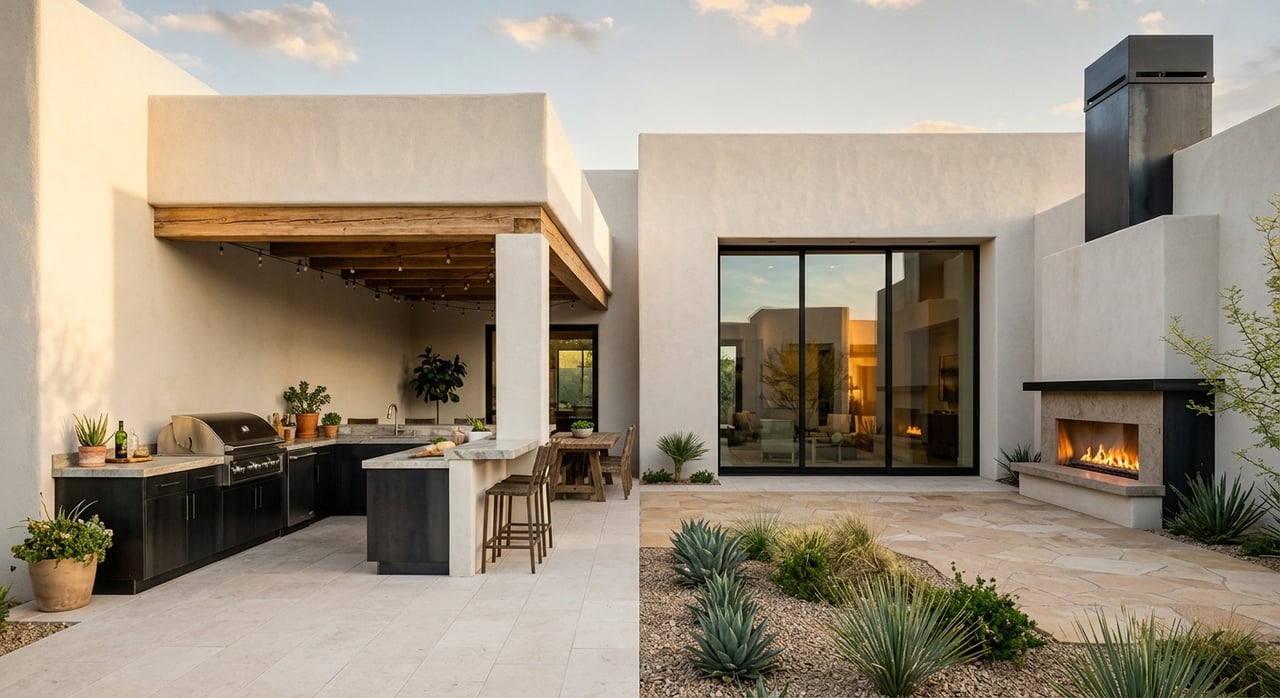
If you are selling in High Desert, you are not just putting a house on the market. You are presenting a foothills lifestyle shaped by views, trail connections, architecture, and the natural landscape. That means your pricing, prep, and marketing all need to reflect what makes this pocket of Albuquerque distinct. Let’s dive in.
High Desert Needs Its Own Strategy
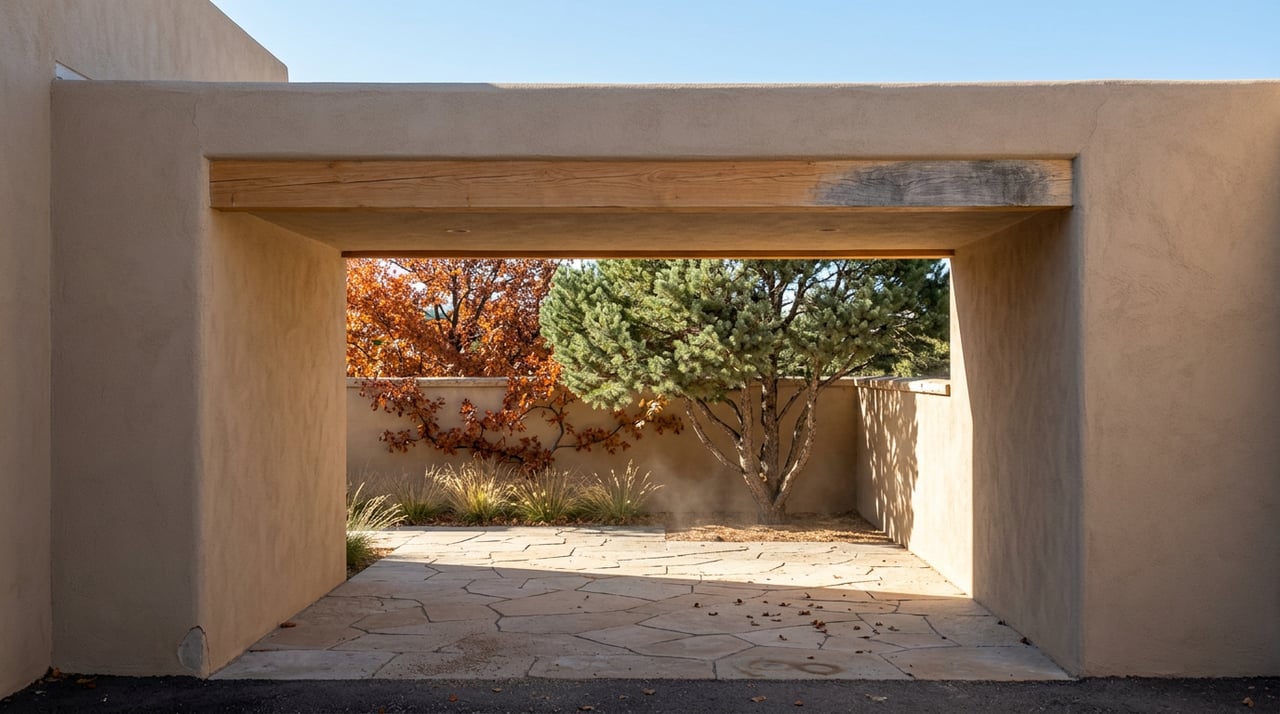
High Desert is best understood as a Sandia foothills luxury micro-market, not a typical Albuquerque subdivision. The community is defined by mountain views, preserved open space, native landscaping, and homes designed to blend into the terrain.
That setting matters because buyers often respond to more than square footage alone. In High Desert, the lot, the light, the outdoor rooms, and the connection to the landscape are all part of the value story.
What Buyers Notice First
When your home hits the market, buyers will likely form an opinion fast based on how clearly the property captures the foothills setting. A home that frames the landscape well can stand out before anyone studies the floor plan.
The features most likely to shape buyer interest include:
- View corridors
- Privacy
- Natural light
- Patio or portal usability
- Lot position
- Trail proximity
- Interior updates
- Cohesive desert-sensitive landscaping
In practical terms, buyers are often weighing both the house and how it lives within High Desert. A beautifully updated interior helps, but so does a backyard that feels usable, intentional, and in tune with the setting.
Start With the Exterior
Before you spend money on large changes, focus on preservation and presentation. High Desert has design standards, and exterior modifications require approval through the HOA’s Modifications Committee.
That makes pre-listing prep less about dramatic redesign and more about protecting the home’s existing look. In many cases, the smartest improvements are the ones that make the property feel well maintained and visually consistent with the neighborhood.
Exterior Fixes That Matter Most
Prioritize items such as:
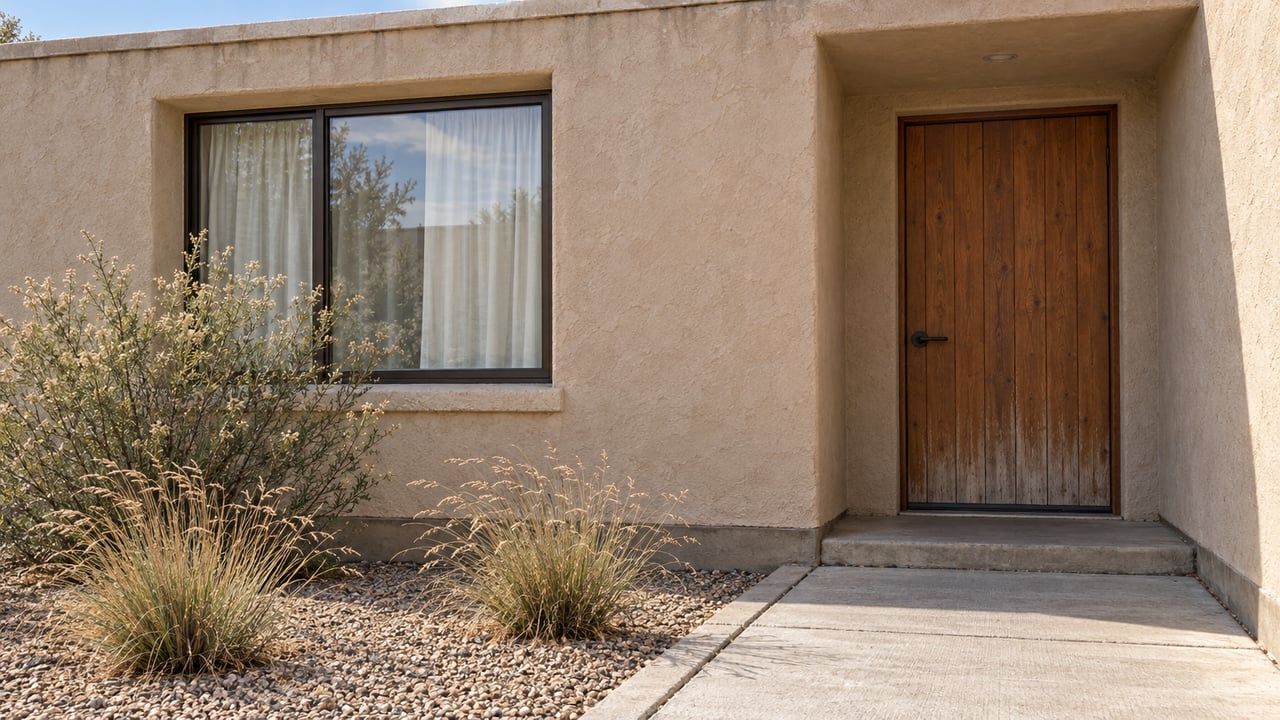
- Stucco touch-ups
- Roof condition review
- Wall and fence repairs
- Landscape cleanup
- Drainage cleanup
- Tidying visible utility elements
If you are thinking about roof, stucco, fencing, or solar-related changes before listing, it is wise to confirm whether approval is required. In High Desert, even well-intended updates can create delays if they fall outside existing guidelines.
Desert Landscaping Is Part of the Appeal
In some neighborhoods, sellers worry a low-water landscape will read as too sparse. In High Desert, a desert-adapted look is often part of the neighborhood’s visual identity.
The community’s history emphasizes preserved native growth and a design approach that works with the land. That means clean gravel areas, healthy native plants, and a tidy, intentional yard can support the overall presentation better than overdone landscaping that feels out of place.
Market the Outdoor Living Areas
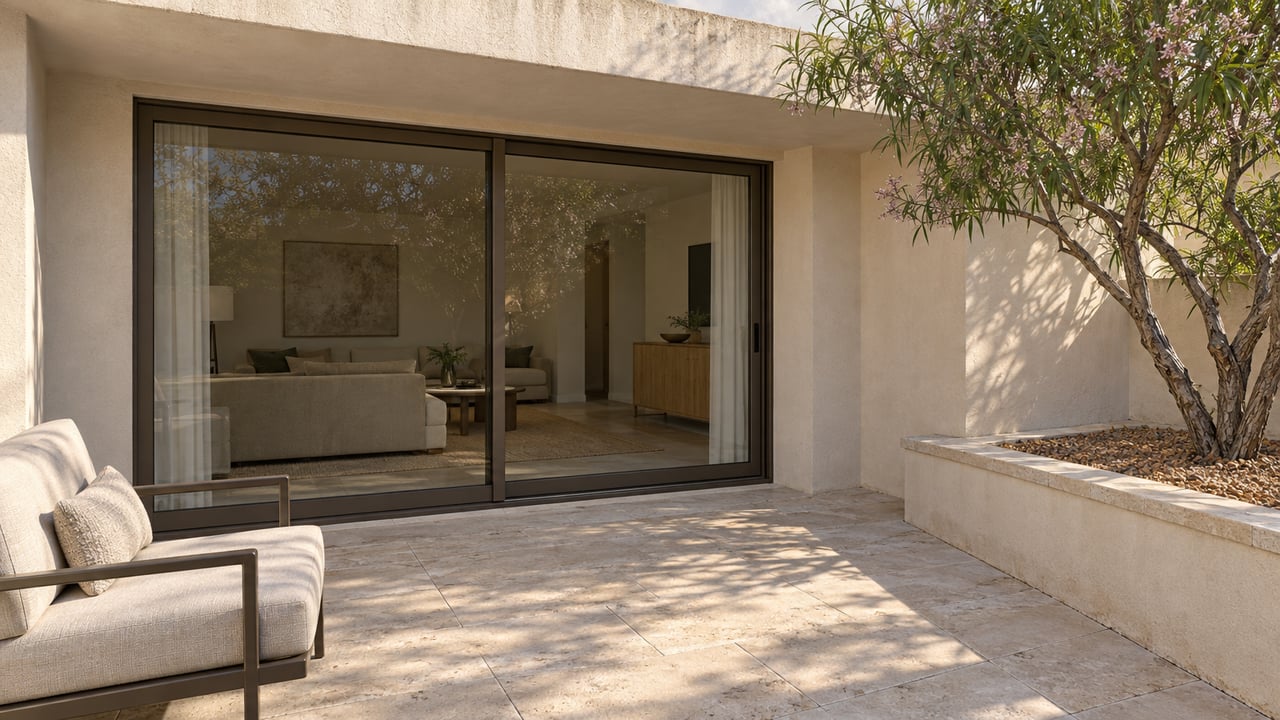
Outdoor space should be treated like real living space in your listing. In High Desert, patios, portals, courtyards, and view-facing seating areas can carry real weight because they help buyers picture the foothills lifestyle.
Make those areas feel functional in photos. Clean hardscape, orderly furniture placement, maintained shade structures, and clear pathways can help outdoor spaces read as an extension of the home rather than an afterthought.
Be Accurate About Fire Features and Trail Access
If your marketing mentions fire pits, grilling, or outdoor entertaining, the wording should stay consistent with local fire restrictions. Open Space rules in the Sandia Foothills can restrict open flames, smoking, fireworks, and related uses, especially during heightened fire conditions.
The same goes for trails. It is better to say a home is close to designated trail access or connected to the trail system when that is accurate, rather than imply direct private access. If a lot borders an arroyo or open space, the listing should clearly reflect whether that area is public or private.
Use Photos and Video to Sell the Setting
A strong High Desert listing should show the relationship between the home and the landscape right away. That usually means leading with the best exterior angles, view shots, and rooms that open visually to the outdoors.
Professional presentation matters here. According to the 2025 NAR staging report, 83 percent of buyers’ agents said staging made it easier for buyers to visualize a property as a future home, and photos, videos, virtual tours, and physical staging were all highly valued.
Rooms Worth Prioritizing
The same staging report identified these rooms as the ones most often staged:
- Living room
- Primary bedroom
- Kitchen
For High Desert sellers, that supports a listing launch built around strong photography, thoughtful staging, and short-form video that shows both interior flow and the foothills backdrop. A polished marketing package helps justify a premium presentation in a premium micro-market.
Price for High Desert, Not for Hype
High Desert does command attention in the market, but pricing still has to make sense. Realtor.com’s May 2026 snapshot placed the neighborhood’s median listing price at $892,000, with 39 listings and homes selling at about asking on average in a warm market with a median 45 days on market.
That is far above the broader Greater Albuquerque detached-home market. GAAR’s May 2026 report showed a metro median sales price of $375,000, median days on market of 39, and 98.9 percent of list price received.
Those numbers reinforce an important point. You should price against recent comparable foothills sales and your home’s specific condition, not assume the High Desert name alone will create a large premium.
What Actually Moves Value
In this submarket, buyers are often paying attention to a short list of value drivers:
- Views and view protection
- Lot orientation and privacy
- Outdoor livability
- Interior modernization
- Deferred maintenance
- Overall cohesion with the foothills setting
A home with a strong view corridor, updated main living spaces, and well-presented outdoor areas may command more attention than a larger home with dated finishes or neglected exterior details. The story has to be supported by the property itself.
Launch With a Clear Plan
A data-informed launch usually works better than a rushed listing. In High Desert, that means combining pricing discipline with polished presentation and realistic logistics.
Your listing plan should include:
- Recent comparable sales in High Desert or nearby foothills areas
- Adjustments for lot position, views, and privacy
- Honest evaluation of updates and needed repairs
- Professional photography
- Video and virtual tour assets
- Showing instructions that respect neighborhood and trail realities
If your home is near trail areas or open space, logistics matter more than many sellers expect. City open space areas have set hours, visitors are expected to stay on marked trails and park in designated areas, and the HOA notes that neighborhood streets are public but not intended to function as hiker parking lots.
Showing Details Can Protect the Experience
Luxury buyers notice the full experience of a showing, not just the finishes inside the house. If access, parking, or arrival instructions are confusing, it can distract from the home itself.
That is why clear showing guidance matters. Specific instructions can help buyers arrive smoothly while keeping the process realistic for a foothills setting with trail traffic and open space rules nearby.
Why High Desert Marketing Should Feel Curated
The strongest High Desert listings do not try to market to everyone. They speak clearly to buyers who value foothills living, privacy, natural light, outdoor connection, and architecture that feels rooted in place.
That curated approach fits the neighborhood and helps your home compete on quality rather than noise. When pricing, preparation, and presentation all tell the same story, buyers can understand the value more quickly and respond with greater confidence.
If you are getting ready to list in High Desert, the goal is simple: present your home as a complete foothills offering, not just another address. For tailored pricing guidance, pre-listing advice, and a polished launch strategy, connect with Austin Wolff.
FAQs
What makes High Desert different from other Albuquerque neighborhoods when selling a home?
- High Desert functions as a foothills luxury micro-market where views, open space, native landscaping, privacy, and outdoor living often shape value alongside the home itself.
What should you fix before listing a High Desert home?
- Focus on preservation-oriented items such as stucco touch-ups, roof condition, wall or fence repairs, drainage cleanup, landscape cleanup, and other visible maintenance issues.
Do HOA approvals matter before updating a High Desert home for sale?
- Yes. High Desert requires approval for exterior modifications, so sellers should confirm requirements before making changes to items like stucco, roofing, fencing, or similar exterior features.
How should trail access be described in a High Desert listing?
- Use accurate wording such as close to designated trail access or connected to the trail system unless the property truly has that direct relationship to public open space.
What features help justify a premium price in High Desert?
- Buyers often respond most strongly to views, privacy, lot orientation, outdoor livability, natural light, updated interiors, and a well-maintained foothills presentation.
How does the broader Albuquerque market affect pricing in High Desert?
- Even though High Desert is a premium neighborhood, pricing still needs to reflect recent comparable foothills sales, condition, and market sensitivity rather than relying on neighborhood name alone.