Trying to decide between Santa Fe and Albuquerque? You are not alone. Many buyers love what both cities offer, but the right fit usually comes down to a few practical questions: how far your budget needs to go, where you need to work, and what kind of daily pace feels right. This guide breaks down the biggest differences so you can choose your next home base with more clarity and confidence. Let’s dive in.
Start With the Big-Picture Difference
Santa Fe and Albuquerque serve very different roles in New Mexico, and that shapes the experience of living in each one.
Santa Fe is the smaller city, with 90,551 residents as of July 2024. Albuquerque is much larger, with 560,326 residents during the same period, according to the U.S. Census QuickFacts data. In practical terms, Santa Fe often feels more compact and destination-oriented, while Albuquerque functions more like the state’s broader commercial center.
That difference in scale affects everything from housing choices to traffic patterns to how each city feels day to day. If you want a more intimate, highly defined sense of place, Santa Fe may stand out. If you want more variety and a bigger metro footprint, Albuquerque may make more sense.
Compare Housing Costs First
For most buyers, this is the deciding factor.
According to Redfin’s March 2026 market data, the median sale price in Santa Fe was $550,000, compared with $345,000 in Albuquerque. That means Santa Fe was roughly 59% more expensive on median sale price.
A separate Zillow market snapshot shows a similar spread. Santa Fe’s average home value was $570,822, while Albuquerque’s was $344,457. Zillow also reported average rent at $1,939 in Santa Fe and $1,459 in Albuquerque.
If you are trying to maximize buying power, Albuquerque usually gives you more room to work with. If you are drawn to Santa Fe, it helps to go in with a realistic budget and a clear sense of which features matter most to you.
What the Price Gap Means for Buyers
The long-term pattern matters more than a single monthly number. The Census ACS housing data also shows Santa Fe with a higher median value of owner-occupied housing at $444,900, compared with $291,500 in Albuquerque.
Santa Fe households do show slightly higher median income, but not enough to erase the cost difference. If affordability, monthly payment comfort, or future flexibility are major priorities, Albuquerque often has the edge.
If your budget can absorb the premium and you strongly value Santa Fe’s style, setting, and pace, the higher price may feel worth it. The key is matching your purchase to your actual lifestyle rather than stretching for a zip code alone.
Look at Market Pace and Inventory
Price is not the only housing factor. The speed of the market and the amount of available inventory can also shape your search.
According to Zillow’s housing data, homes were going pending in about 20 days in Albuquerque versus 48 days in Santa Fe. Albuquerque also had more active inventory, with 1,475 homes for sale compared with 669 in Santa Fe.
That suggests Albuquerque may offer more selection and faster turnover, while Santa Fe can feel tighter and more selective. If you want more options across price points and property styles, Albuquerque may offer an easier search. If you are shopping in Santa Fe, patience and strong strategy can matter more.
Think About Your Work and Commute
Many buyers assume Albuquerque will mean much longer local commutes because it is larger, but the data tells a more nuanced story.
The Census commute figures show an average commute of 21.0 minutes in Santa Fe and 22.4 minutes in Albuquerque. Both are below the national average of 27.2 minutes.
The bigger issue is not in-town driving. It is whether you expect to travel between the two cities on a regular basis. TOURISM Santa Fe notes that Santa Fe sits about one hour north of Albuquerque by car or shuttle.
Can You Commute Between Santa Fe and Albuquerque?
Yes, you can. But it is not the same as a normal in-town commute.
If you live in Santa Fe and work in Albuquerque, or the other way around, that roughly one-hour trip becomes the real lifestyle question. For some hybrid workers, that may be manageable a few days a week. For daily commuters, it can quickly become the factor that outweighs housing style or neighborhood preference.
If your job is flexible or remote, Santa Fe may become easier to justify. If daily logistics, airport access, or employer proximity matter most, Albuquerque often becomes the more practical choice.
Compare Lifestyle and Daily Feel
This is where the choice becomes personal.
Santa Fe’s official city profile highlights about 325 days of sunshine, four distinct seasons, an elevation of around 7,000 feet, nearby national forest access, and Ski Santa Fe about 16 miles from downtown. You can explore more in the Santa Fe city profile.
Albuquerque offers a different kind of outdoor access. The city has a high-desert setting and more than 30,000 acres of city-managed open space, according to Albuquerque regional information.
If you picture a smaller city with mountain access and a more compact feel, Santa Fe may line up with that vision. If you want a larger metro with broad access to trails, services, and everyday convenience, Albuquerque may fit better.
Consider Arts, Food, and Culture
Both cities have strong cultural identities, but they are not the same.
Santa Fe is especially arts-centric. Official tourism sources identify it as a UNESCO Creative City, and the city’s visual arts materials highlight more than 250 galleries and studios. Santa Fe’s dining scene is also a major draw, with official materials emphasizing chef-driven Southwestern cuisine and more than 400 restaurants.
Albuquerque has a broader mix. Its dining and cultural offerings span New Mexican, Native American, Mexican, Asian, Mediterranean, Italian, steakhouse, and more, while the city also supports a wider range of district identities and built environments through places like Historic Old Town.
If you want a city where arts and culture feel central to the local identity, Santa Fe often stands apart. If you want more variety across districts and experiences, Albuquerque may offer more range.
Notice the Architecture and Sense of Place
For some buyers, this is a major emotional factor.
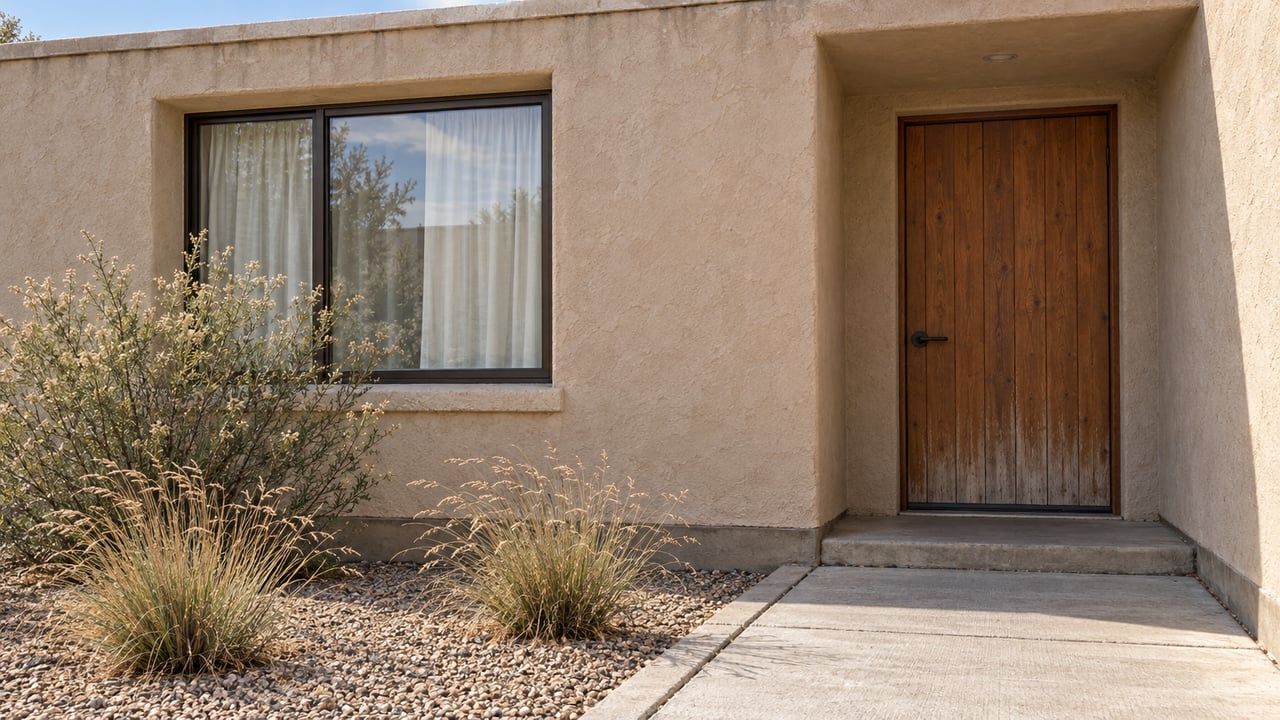
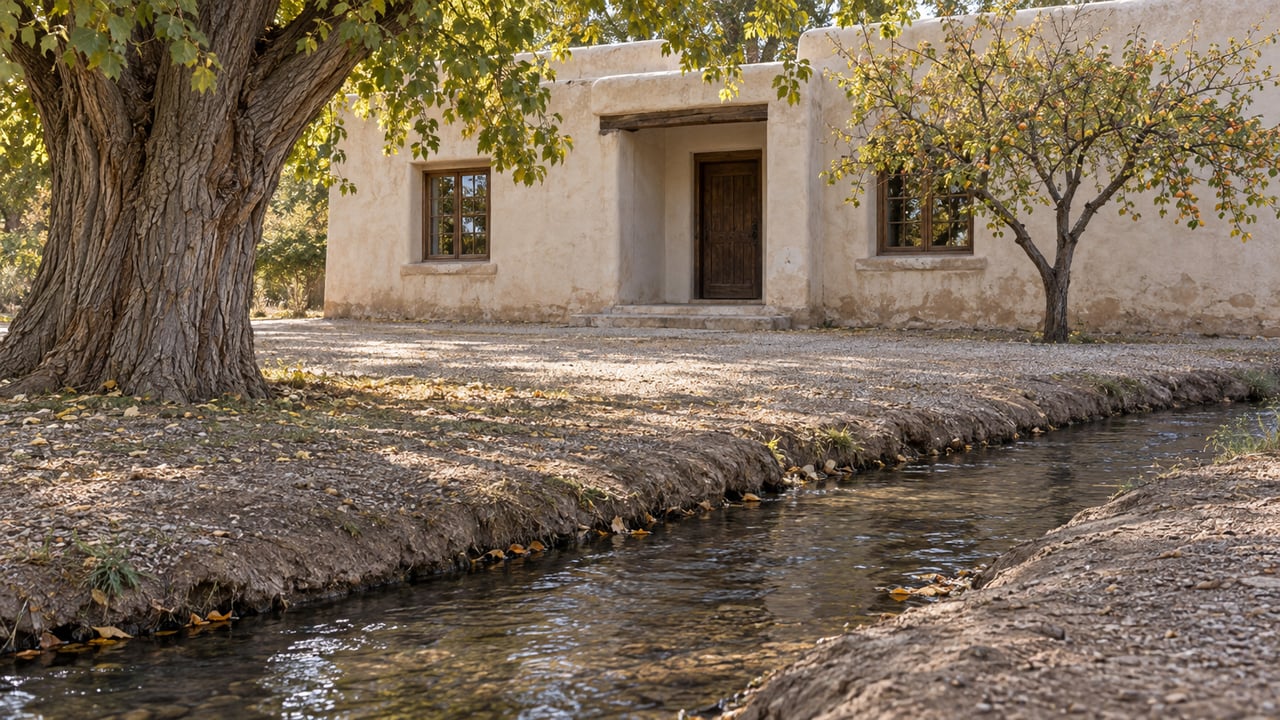
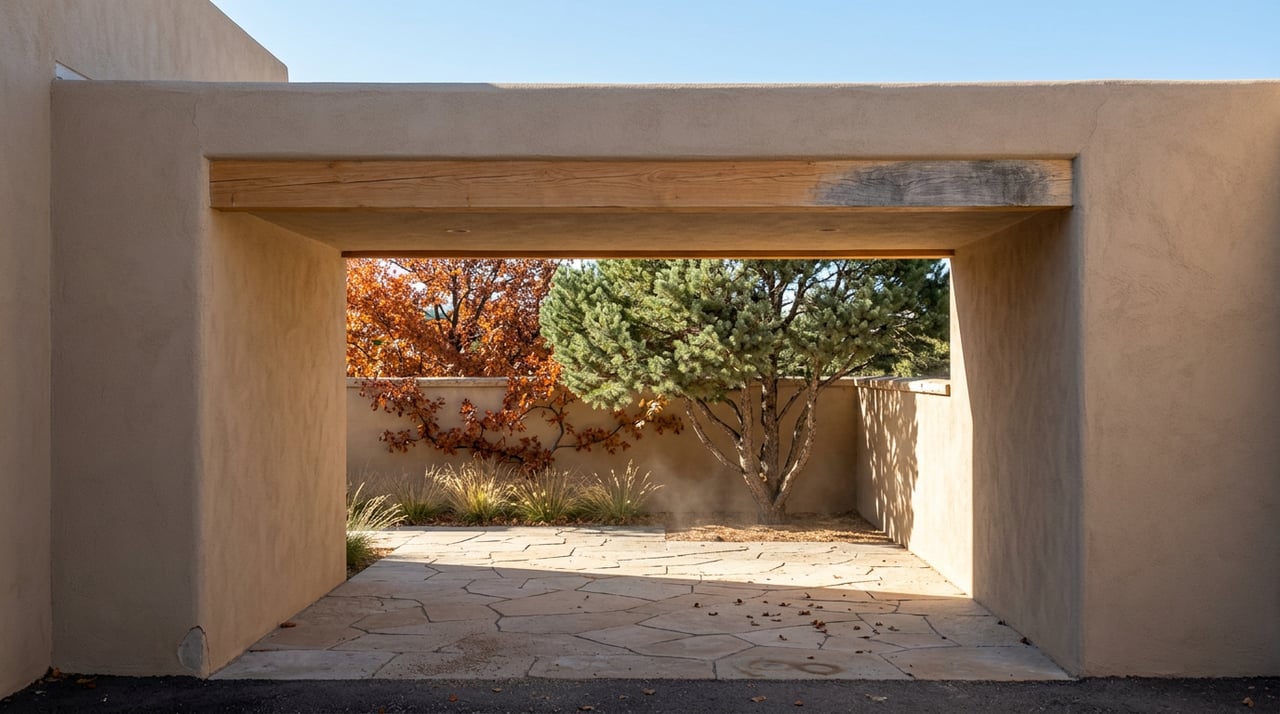
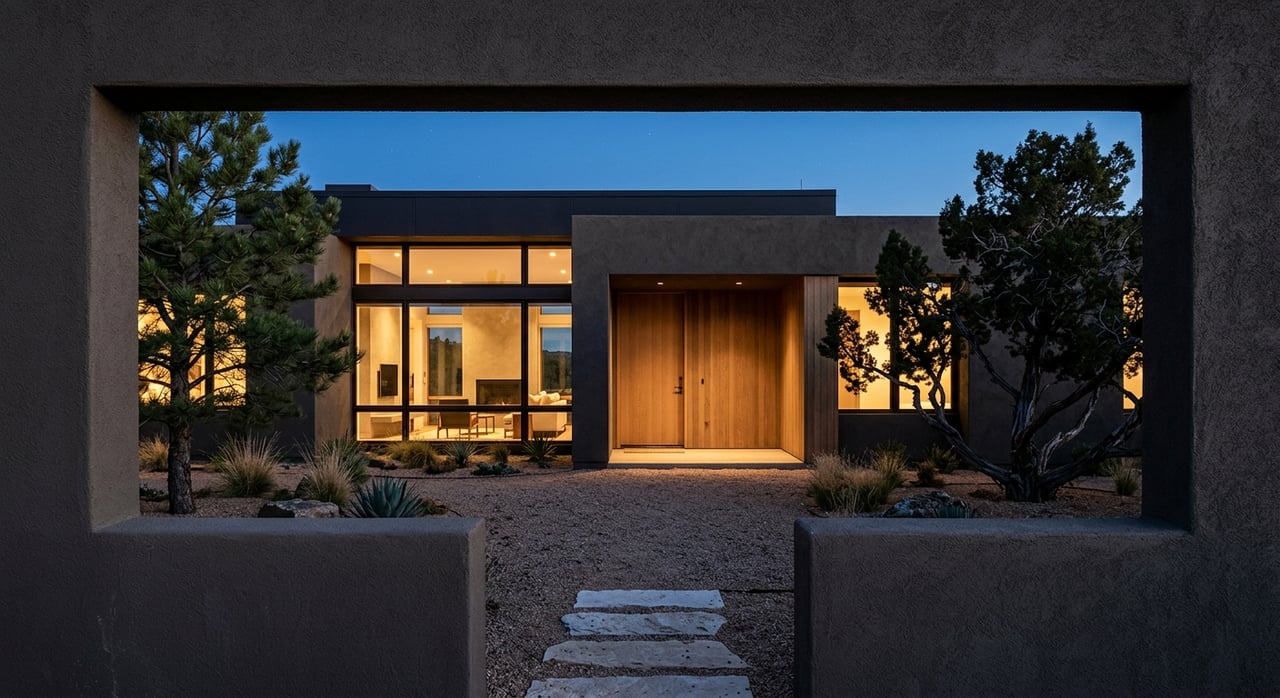
Santa Fe is more visually unified. The city is known for low-slung adobe and Pueblo and Territorial styles, and historic district design rules help keep core areas aligned with that established architectural character.
Albuquerque offers more architectural variety. Official visitor materials point to Pueblo-Spanish adobe architecture in Old Town, Pueblo Deco landmarks like the KiMo Theatre, Route 66-era districts, and mid-century modern neighborhoods such as Vista Larga through its historic neighborhood overview.
If you want a cohesive, historic visual identity, Santa Fe tends to deliver that more consistently. If you enjoy more variety in neighborhood texture and home styles, Albuquerque gives you a broader menu.
Weigh Jobs and Travel Access
Your home base should support your daily life, not just your weekend preferences.
Santa Fe’s economy is shaped heavily by government and hospitality, with growing technology-based business activity, according to the Santa Fe city profile. Albuquerque, by contrast, is the state’s larger commercial center with a wider employer mix and the largest commercial airport in New Mexico. The Albuquerque economic overview notes that the Sunport serves more than five million passengers annually and offers more than 29 nonstop destinations.
That matters if your work depends on regional mobility, broader employer access, or frequent travel. Albuquerque may be better for logistics. Santa Fe may be a better fit if your work is flexible and your lifestyle priorities point more toward character, setting, and pace.
A Simple Decision Framework
If you are still torn, this side-by-side view can help.
| Priority | Santa Fe | Albuquerque |
|---|---|---|
| Buying power | Lower | Higher |
| City size | Smaller and more compact | Larger metro footprint |
| Arts focus | Stronger arts identity | Broader mix of experiences |
| Architecture | More cohesive historic character | More variety across neighborhoods |
| Employer mix | More government and hospitality driven | Broader employment base |
| Airport access | More limited | Stronger regional access |
| Intercity commuting practicality | Better for occasional trips | Better if daily logistics matter |
Which City Fits You Best?
Choose Santa Fe if you are looking for a more compact city feel, strong architectural identity, arts-centered living, and easy access to mountain-oriented recreation, and you can comfortably handle the higher housing costs.
Choose Albuquerque if you want more home for your money, a broader employment base, easier airport access, and more variety in neighborhoods and housing styles.
There is no universal winner here. The better choice is the one that supports your budget, your work, and the way you want everyday life to feel.
If you want help comparing specific neighborhoods, price points, or home styles in either market, connect with Austin Wolff for a clear, data-informed conversation about your next move.
FAQs
How much more expensive is Santa Fe than Albuquerque for homebuyers?
- Based on Redfin’s March 2026 market data, Santa Fe’s median sale price was $550,000 versus $345,000 in Albuquerque, making Santa Fe roughly 59% more expensive on that measure.
Can you commute between Santa Fe and Albuquerque for work?
- Yes, but TOURISM Santa Fe notes the trip is about one hour by car or shuttle, so it works better for occasional or hybrid commuting than for a casual in-town drive.
Which city is more arts-centric, Santa Fe or Albuquerque?
- Santa Fe is generally the more arts-centric choice, supported by its UNESCO Creative City designation and official materials highlighting more than 250 galleries and studios.
Which city offers more architectural variety, Santa Fe or Albuquerque?
- Albuquerque offers more architectural variety across neighborhoods, while Santa Fe is more visually unified around adobe, Pueblo, and Territorial influences.
Is Albuquerque or Santa Fe better for buyers who want more housing options?
- Albuquerque may offer more selection, since Zillow’s market data showed more for-sale inventory there than in Santa Fe.
Which city is better for remote workers choosing between Santa Fe and Albuquerque?
- Santa Fe can be a strong fit for remote or flexible workers who value character and pace, while Albuquerque may be a better fit if travel efficiency, employer access, and day-to-day logistics matter more.