Did you know architectural style can impact home value by up to 10%? Many homeowners exploring interior updates want a style that feels current but doesn’t lose its long-term relevance. This is where the Modern Classic style fits well. It blends familiarity with a fresh outlook, appealing to homeowners who want a balanced and stable design approach. As interest in distinctive yet practical interiors grows—especially in markets like Albuquerque, New Mexico real estate—understanding what modern classic style can help homeowners make informed design decisions.
This design approach connects modern simplicity with classic character, creating spaces that feel grounded but not dated. It offers structure without formality and modern appeal without minimalism’s stark nature. Homeowners appreciate it because it adapts to a range of architectural styles and room sizes. Whether updating a compact home or furnishing a spacious property, this style works with many types of layouts, materials, and decor choices. It continues to grow in popularity due to its practicality, restrained aesthetic, and flexibility when coordinating new purchases with existing furniture.
Characteristics of Modern Classic Style
When exploring the modern classic style, it helps to break down the features that define it. This section highlights seven key characteristics that contribute to its balanced, timeless nature.
Fusion of Modern and Traditional Elements
A core feature of this style is its combination of modern structure and traditional character. Clean, straightforward lines anchor the space, while classic elements bring depth. Homeowners may mix a modern sofa with a vintage coffee table or pair streamlined lighting with time-tested architectural details. The goal is subtle contrast, allowing old and new to work together without one overwhelming the other.
Color Palette
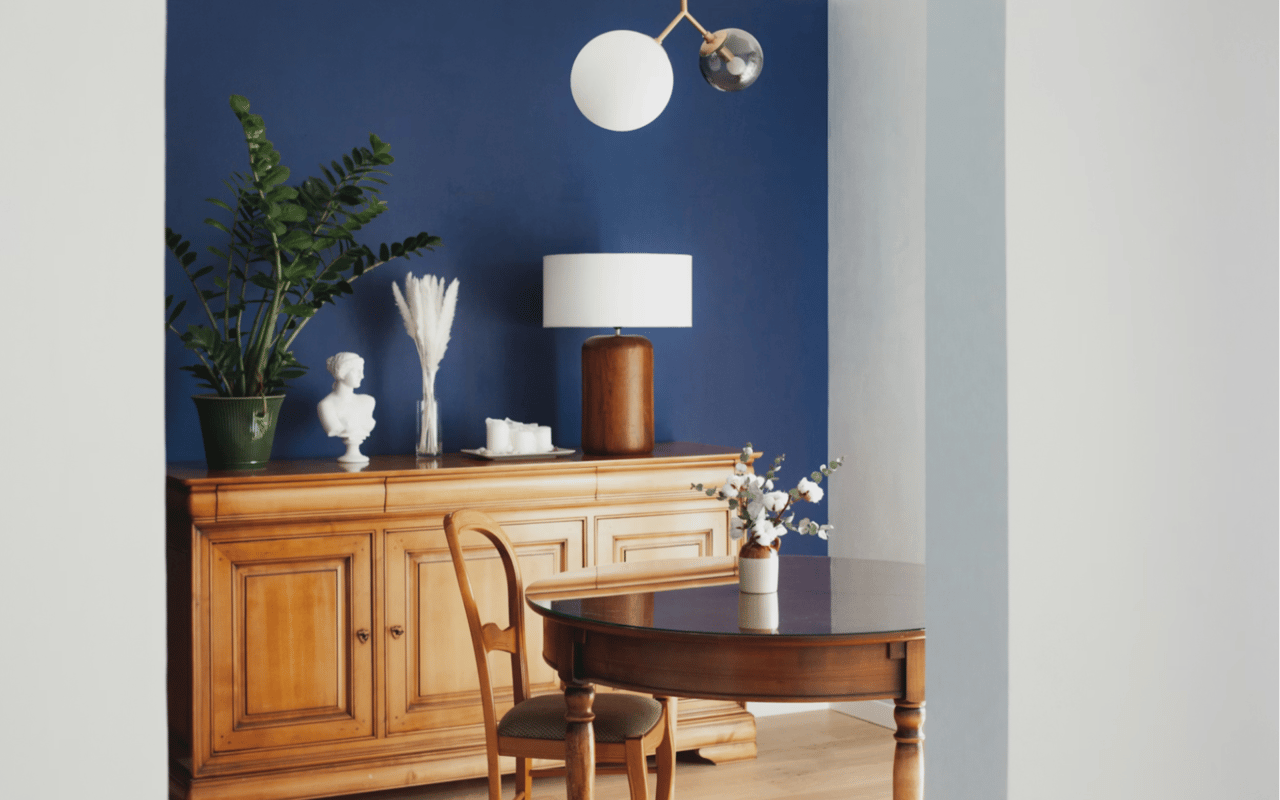
Modern Classic interiors stay rooted in neutral color foundations. Creams, soft whites, warm grays, and muted tans create a steady backdrop. These hues keep the space calm and adaptable as decor evolves. Accent shades such as navy, forest green, or rust may appear through pillows, art, or small furniture pieces. Adding small doses of black also supports structure and contrast. This palette supports long-term use because it doesn’t rely on seasonal trends or heavily saturated colors.
Patterns and Textures
Patterns are used sparingly and are typically understated. Subtle stripes, small-scale vintage patterns, or solids help maintain a clean and steady look. Texture plays a crucial role—linen, velvet, and lightly quilted fabrics add dimension without overwhelming the room. Homeowners often use textured pillows, upholstered headboards, or simple throw blankets to create a sense of calm depth. These details introduce warmth without pushing the style into ornate territory.
Furniture Mix
Modern Classic style encourages furniture that blends comfort with structure. Rather than filling a room exclusively with modern pieces, homeowners often integrate a few standout vintage or traditional items. A mid-century chair might sit beside a classic wooden sideboard. This creates a curated look, not a showroom. Practicality matters: seating tends to be soft and functional, avoiding the stiff layouts sometimes associated with traditional decor.
Proportional Balance
A thoughtful balance between design eras is essential. Many designers recommend that most furnishings—about three-quarters—lean modern, with the remaining portion made up of vintage or traditional accents. This ratio keeps the space grounded without feeling dated. Too many older items can shift the tone toward traditional, while too many modern pieces may lose the classic influence. Maintaining proportion ensures harmony between simplicity and heritage.
Vintage Decor
Vintage touches give Modern Classic interiors their identity. Items such as antique bowls, older framed artwork, heritage lamps, or hand-me-down decor contribute visual interest. These pieces don’t need to be rare or high-cost; even modest vintage finds can make a strong impact. Digital art prints that feature historical styles also work well. The purpose is to introduce a character that contrasts with the cleaner lines of modern furniture.
Decorating Approach
Rather than filling rooms quickly, homeowners typically add items slowly and intentionally. This approach encourages selecting pieces with personal meaning or practical purpose. The process is steady and curated rather than reactive. Each addition should support the overall aesthetic while contributing value to the home’s function or sentiment.
Why Modern Classic Style Works Well in Today’s Homes
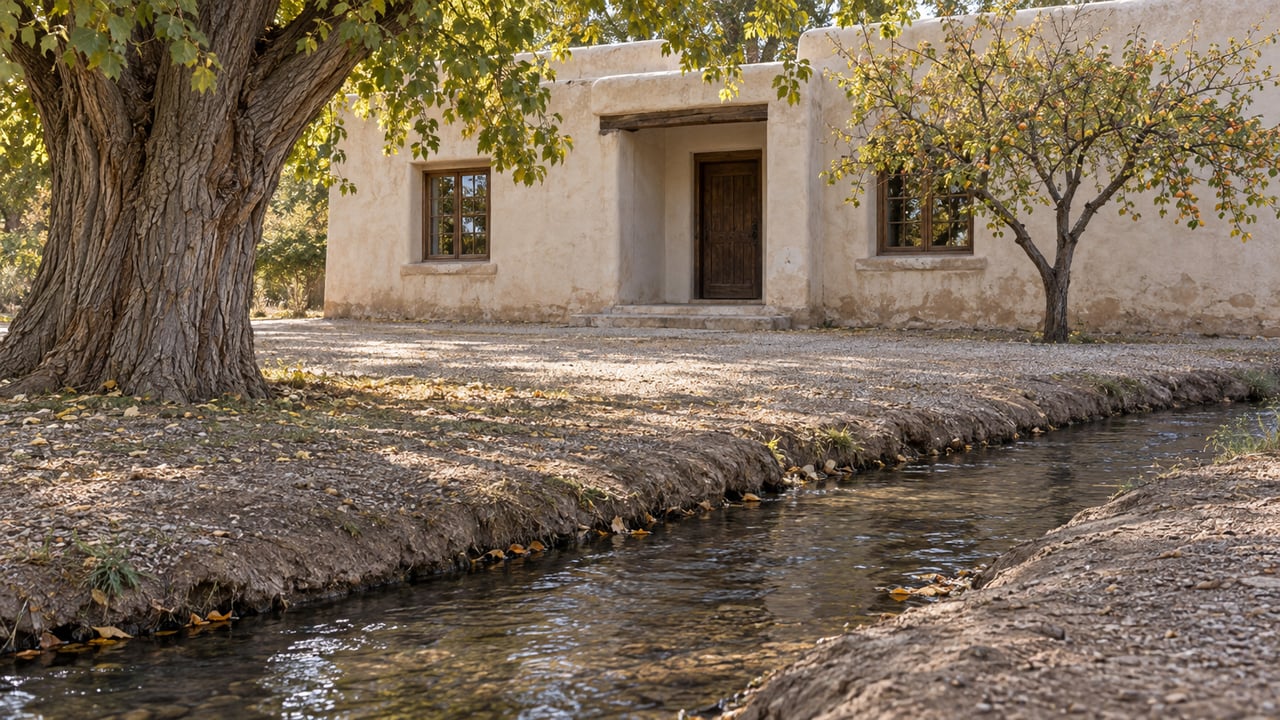
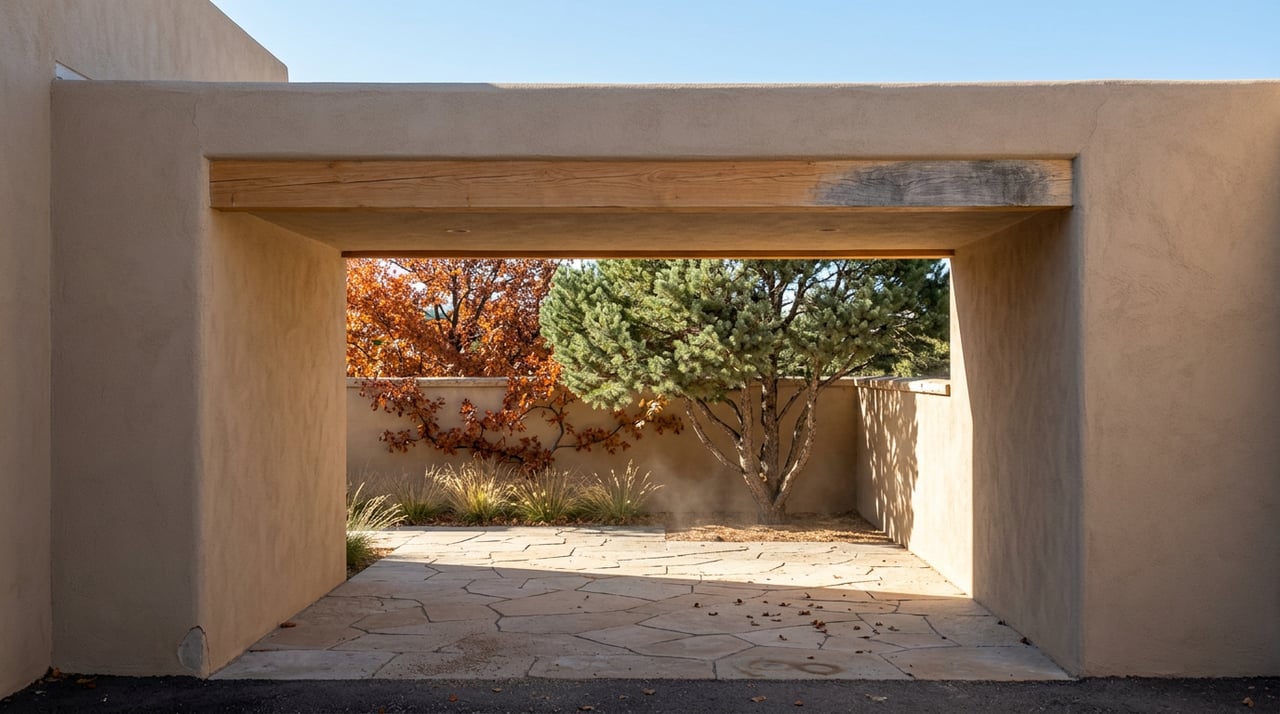
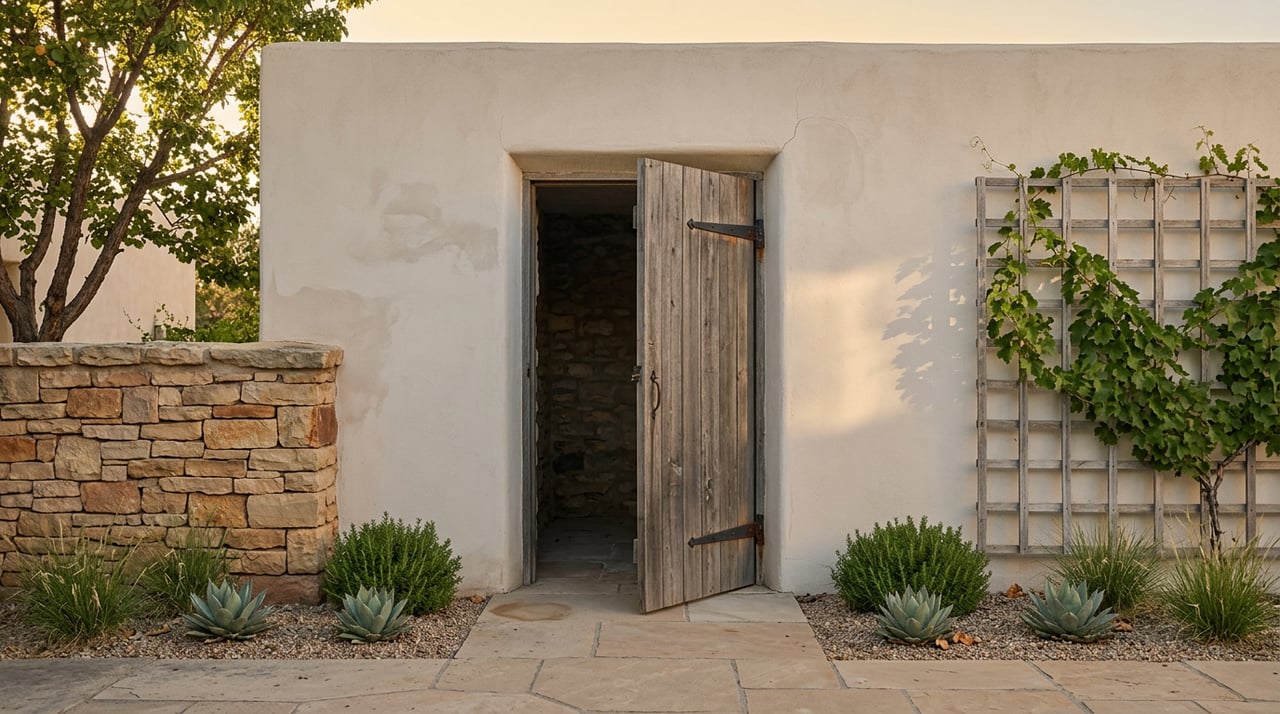
Modern Classic design appeals to homeowners for several reasons. Its neutral palette adapts easily to existing finishes like hardwood floors, tile, or stone. It also works well with architectural elements common in many regions, including Albuquerque homes that blend Southwestern influences with contemporary layouts.
Another benefit is its resilience to changing design trends. Because it incorporates both modern and traditional components, it remains relevant even as preferences shift. Homeowners can refresh the look with small adjustments—such as changing lamps, art, or accent textiles—without reworking the entire space.
For individuals navigating Albuquerque, New Mexico real estate, showcasing a Modern Classic interior can make a home feel both current and inviting. It appeals to a wide audience because of its balanced structure and its ability to highlight a home’s architectural strengths rather than cover them.
Creating a Modern Classic Home
Anyone can begin incorporating this style by focusing on foundational elements first. Establish a neutral palette and select comfortable, simple furniture. Then introduce one or two traditional or vintage items per room to add history and character. Consider lighting with clean lines, understated patterns for rugs, and a few pieces of meaningful decor. Over time, the space evolves naturally.
This style also gives homeowners flexibility. It does not require a full remodel, and it adapts well to different budgets. Many homeowners mix store-bought items with heirlooms or secondhand finds, creating a personalized and functional space. Its steady, practical nature makes it a strong option for those wanting a design that grows with their needs.
About The Lovely Home Company
The Lovely Home Company brings a client-first mindset to real estate throughout Central New Mexico. Led by Managing Broker and Realtor Austin Wolff, the team remains committed to offering a dependable and informed experience for buyers and sellers. Austin’s dedication to quality and his interest in community support have made him a reliable guide for those pursuing a smooth real estate journey.
The agency takes a clear approach to communication, ensuring clients understand what to expect at every stage. Their background in real estate transactions gives them a strong foundation for offering helpful insights without pressure. Instead of pushing clients toward decisions, they focus on offering support and looking out for each person’s long-term needs.
At every step, the priority is helping clients feel confident, informed, and supported. Their work centers on protecting client interests while simplifying the process of buying or selling a home.
If you're looking to buy or sell a home or have any questions about the Albuquerque, New Mexico, real estate market, contact The Lovely Home Company today.