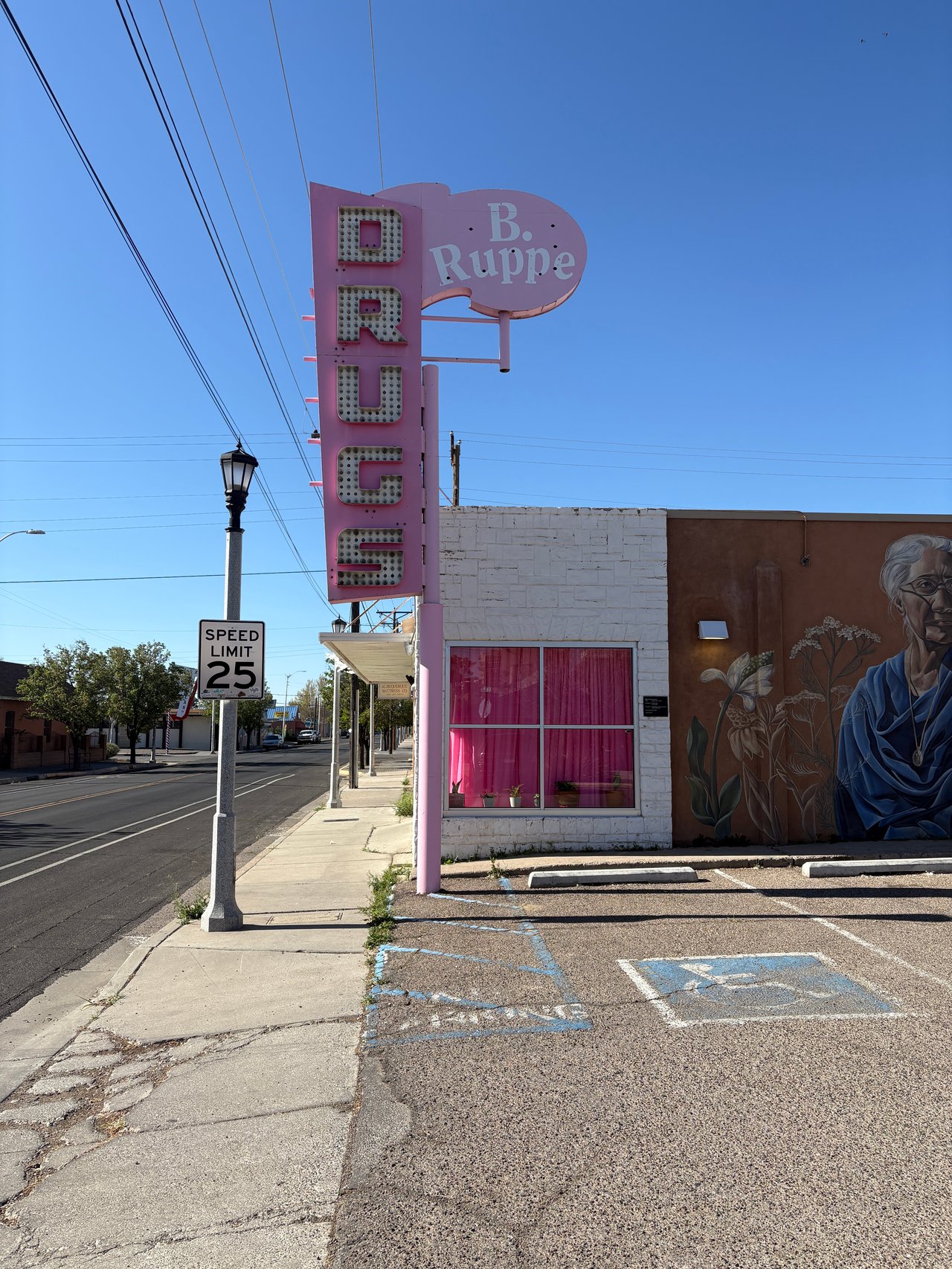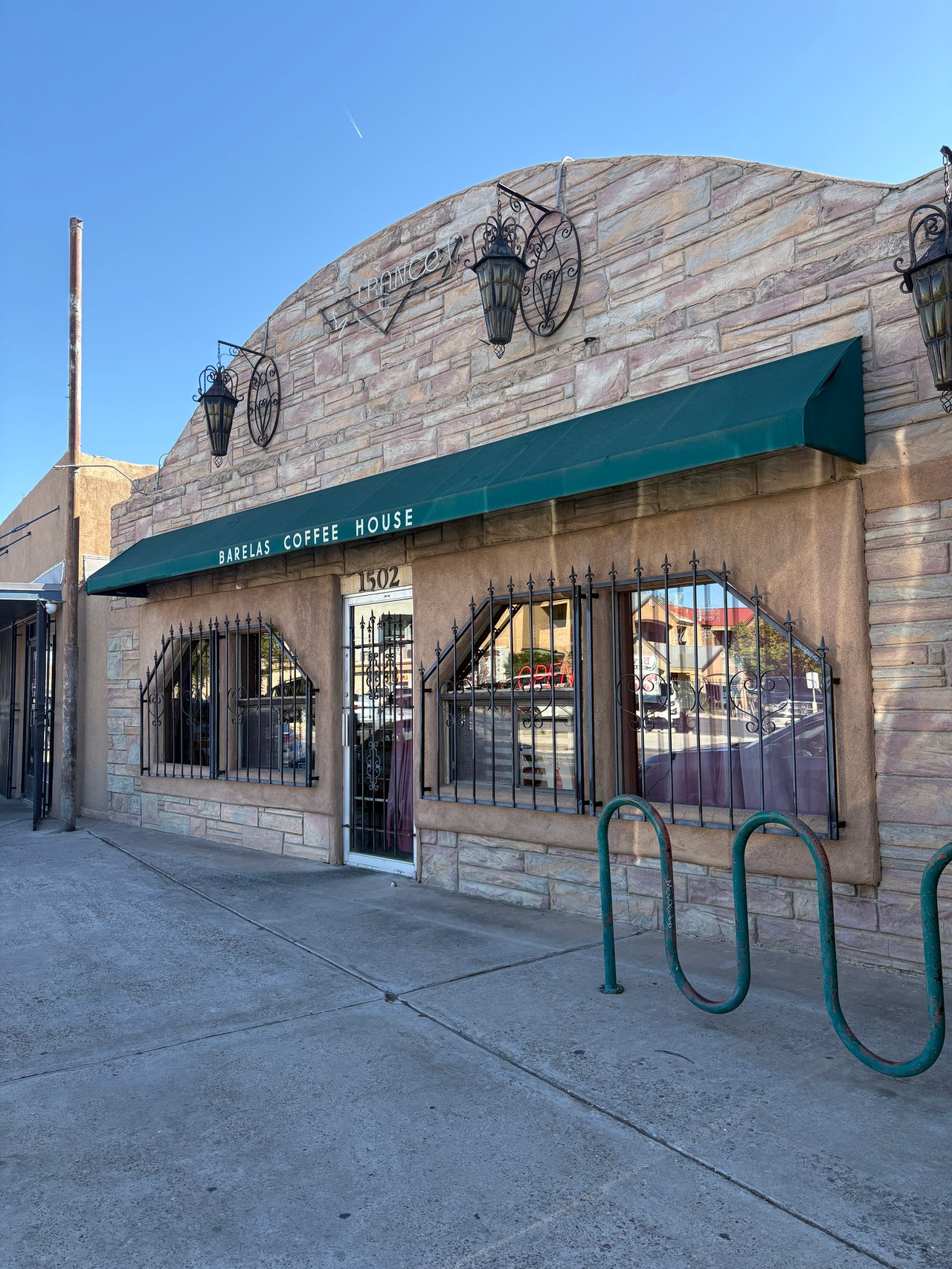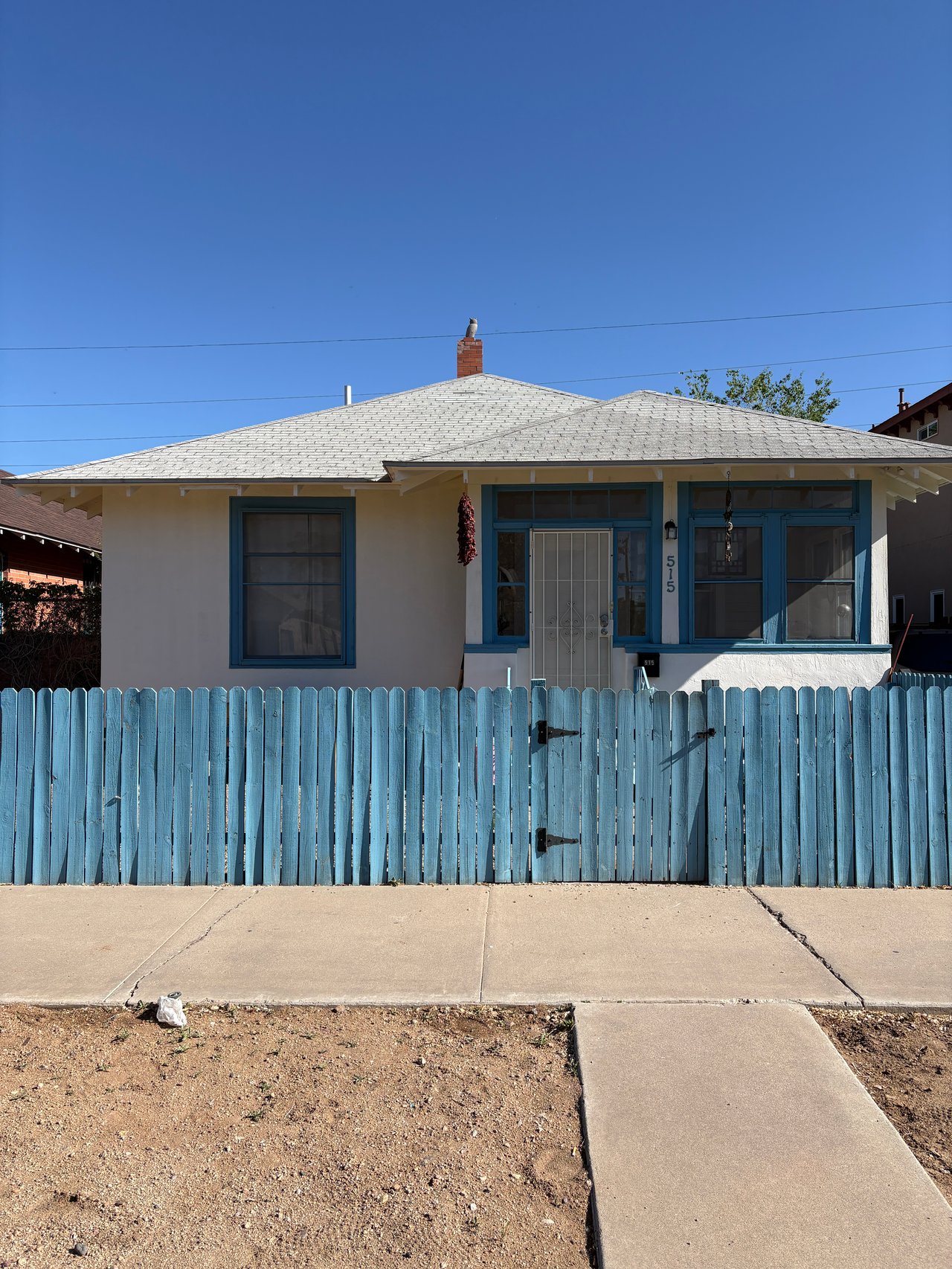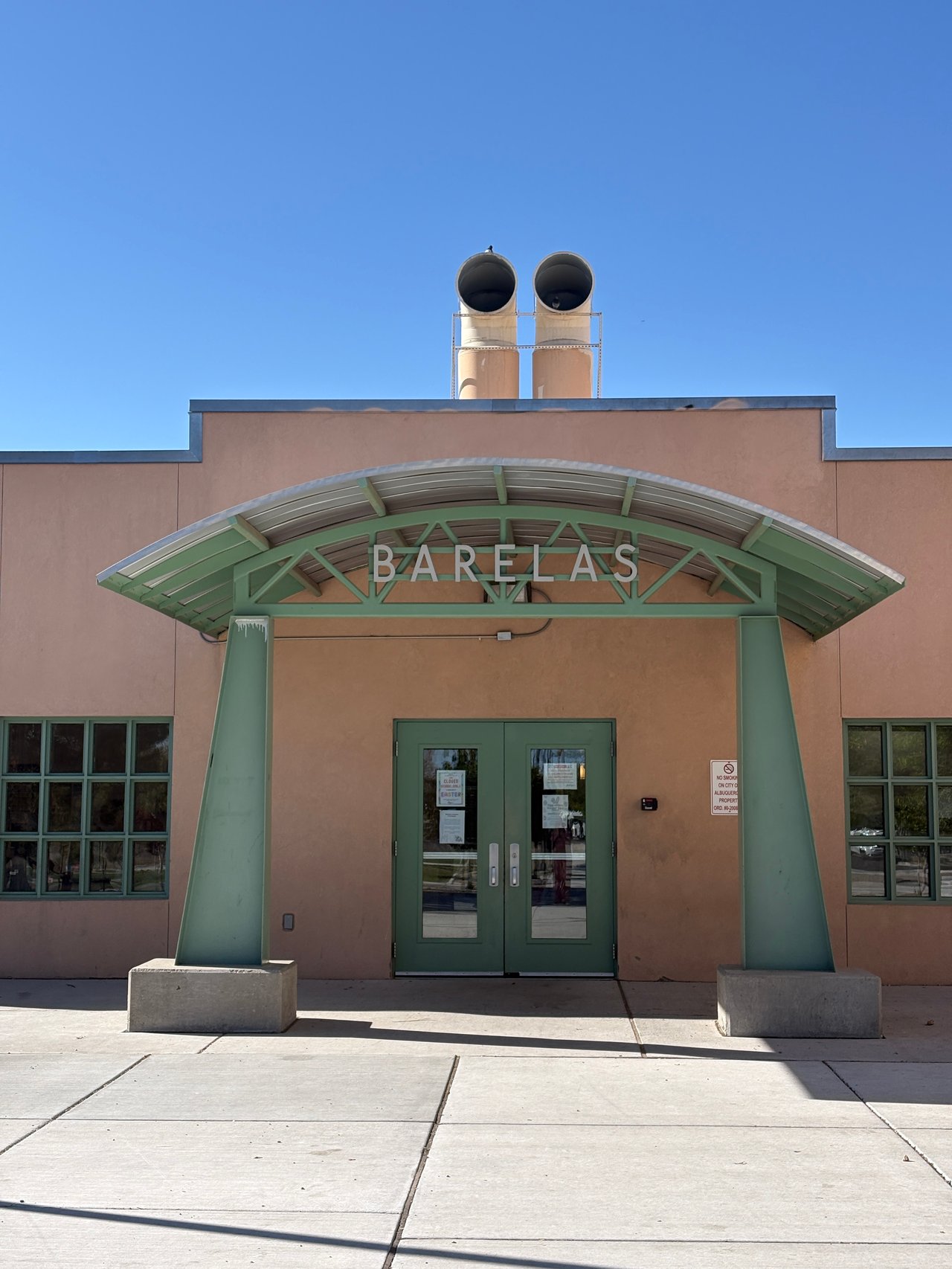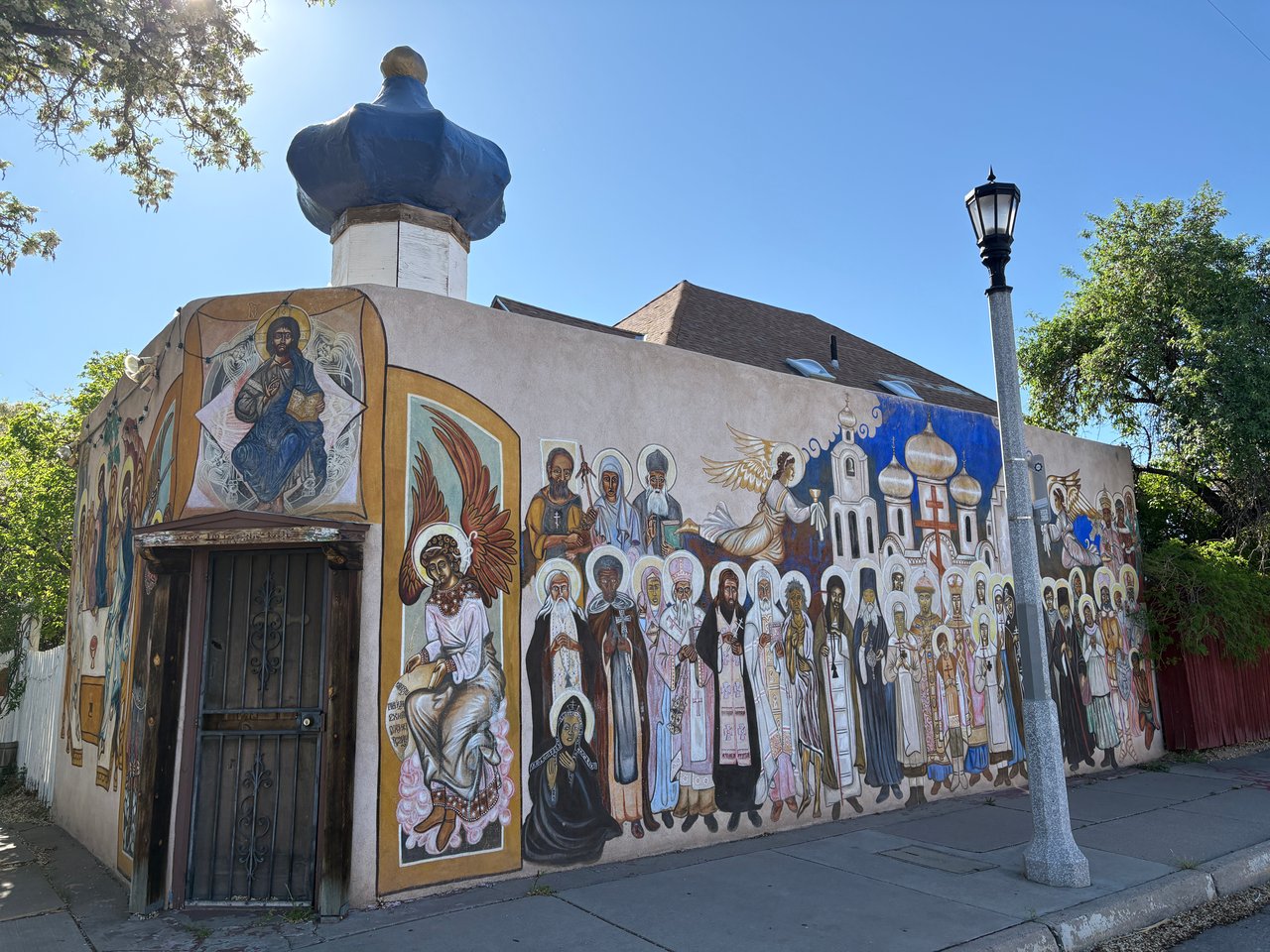
Tucked just south of downtown, Barelas is one of those places that feels layered in a way you don’t always expect at first glance. It’s not polished in the way some newer neighborhoods are, and that’s exactly the point. There’s a depth here, one that comes from generations of families, culture, and a history that’s deeply tied to the growth of Albuquerque itself.
Barelas is often considered one of the oldest neighborhoods in the city, with roots that trace back to the early 1800s, when it began as a small farming community along the Rio Grande. Like much of New Mexico, its identity reflects a blend of Indigenous and Hispanic influences, along with the layers that came later as Albuquerque expanded, creating a neighborhood that feels deeply rooted rather than defined by any one chapter.
What really stands out in Barelas, though, is the sense of community that has carried through generations. This isn’t a neighborhood that was built all at once; it’s one that grew over time, with families staying, returning, and continuing to shape it. You feel that most in the local staples, like Barelas Coffee House, where the atmosphere is just as much a part of the experience as the food. It’s the kind of place where conversations stretch a little longer, where the staff knows the regulars, and where the history of the neighborhood shows up in small, everyday ways.
It’s not just one place; scattered throughout Barelas are long-standing businesses and gathering spots that have quietly anchored the neighborhood for decades. These are the kinds of places that don’t necessarily try to reinvent themselves; they don’t need to. They’re part of the rhythm of daily life, reflecting a continuity that’s becoming harder to find in faster-growing parts of the city.
A Neighborhood Shaped by the Railroad
To really understand Barelas, you have to understand its connection to the railroad. The nearby Albuquerque Rail Yards played a defining role in shaping the neighborhood in the early 20th century. When the rail yards were established, they quickly became one of the largest employers in the state, drawing workers and families into the area and transforming Barelas into a true working-class hub. At its peak, the rail yards weren’t just a workplace; they were a center of life. Entire generations built their livelihoods there, and the neighborhood grew around that shared experience. Even now, you can still see the imprint of that era in the modest homes, the street layout, and the overall feel of the neighborhood. There’s a sense that this is a place built on work, resilience, and connection.
Like many industrial areas, Barelas experienced a period of decline as rail operations slowed and Albuquerque expanded outward, but unlike some neighborhoods that lost their identity along the way, Barelas held onto it, and that’s part of what makes its current revival feel so meaningful.
A Quiet but Meaningful Revival
In recent years, Barelas has started to see renewed attention, but in a way that feels more organic than forced. One of the most visible examples is the transformation of the Albuquerque Rail Yards into a public market and event space. What was once an industrial center has become a place for gathering again, just in a different way.
On weekends, the space fills with local farmers, artists, florists, and small businesses. It’s not overly commercialized; it still feels local, like something built for the community first. You can spend a morning there walking through the market, picking up something handmade, listening to live music, and actually talking to the people behind what you’re buying. It’s one of those places that reminds you how connected Albuquerque can feel.
That same sense of renewal is showing up throughout the neighborhood. There’s a growing interest in preserving older homes while thoughtfully updating them, rather than replacing them entirely. It’s less about rapid change and more about careful evolution—something that respects what’s already here.
Art, Murals, and Everyday Expression
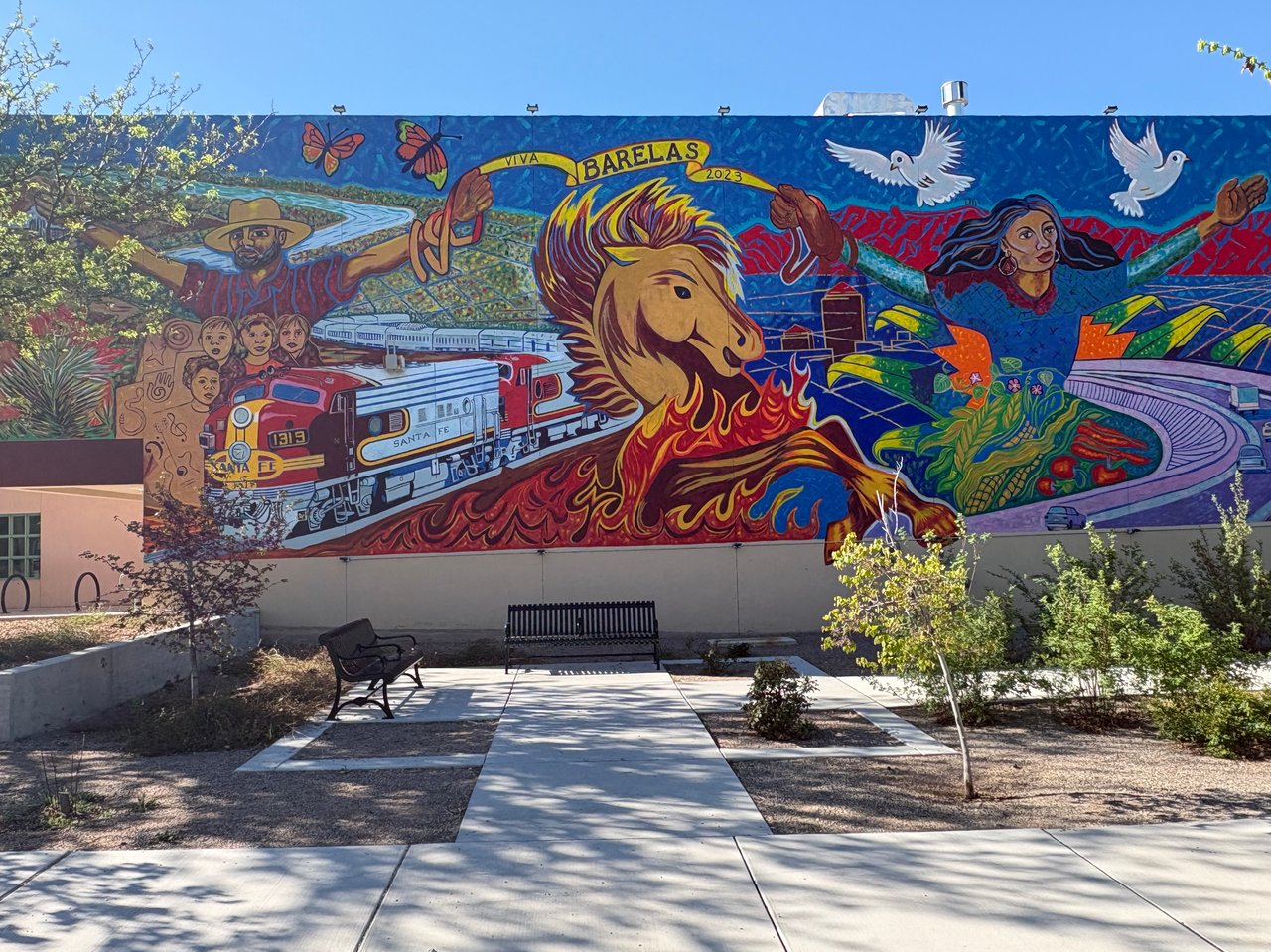
Alongside that revival, Barelas has seen a quiet but powerful rise in public art. Murals throughout the neighborhood have started to transform everyday walls into something more expressive, adding color and storytelling to the streets in a way that feels both intentional and deeply personal. Many of these works are connected to local organizations like Working Classroom, which focuses on youth development and community-based art. Their influence can be seen in pieces that reflect cultural heritage, neighborhood history, and the voices of the people who live here.
Walking through Barelas, you’ll notice that the murals aren’t just clustered in one place; they’re woven into the neighborhood. Some murals are bold and immediately eye-catching, while others feel more subtle, almost like something you stumble upon. Together, they create a kind of open-air gallery that tells the story of the community in a way that feels accessible and alive. It’s this blend of art and everyday life that gives Barelas a different kind of energy. It’s not curated in the traditional sense; it’s evolving, shaped by the people who are part of it.
What It’s Like to Live in Barelas
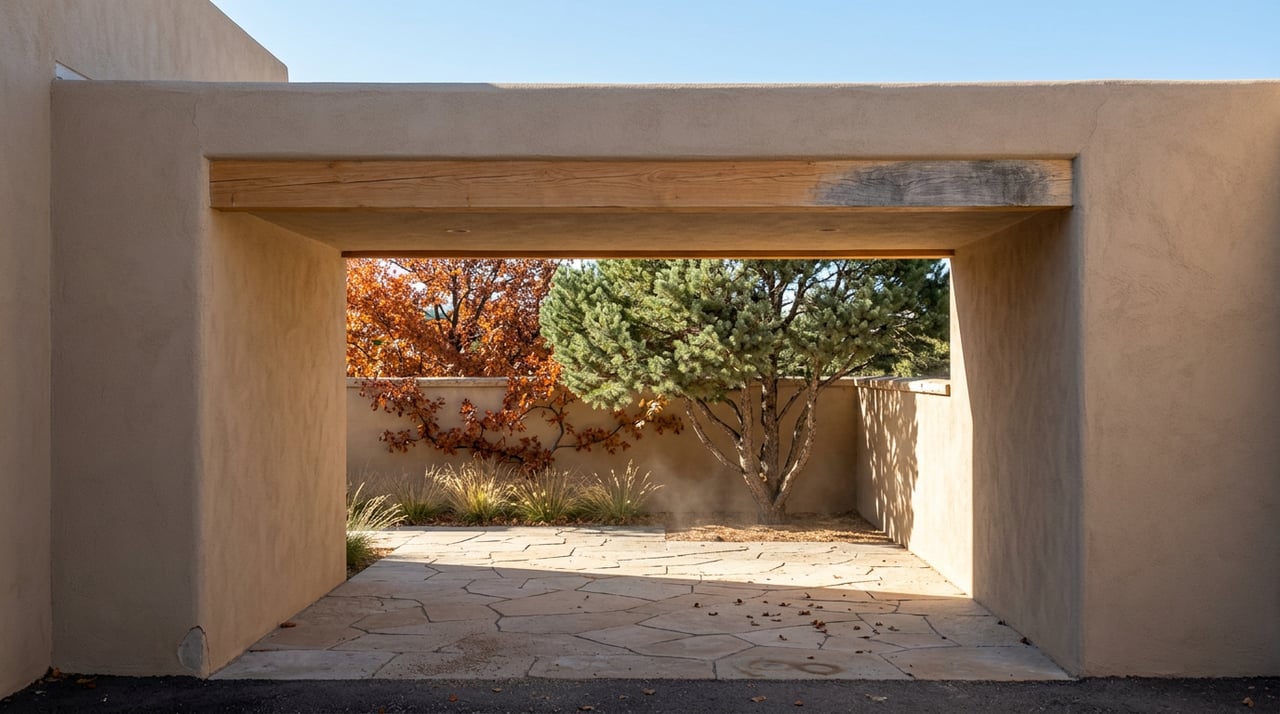
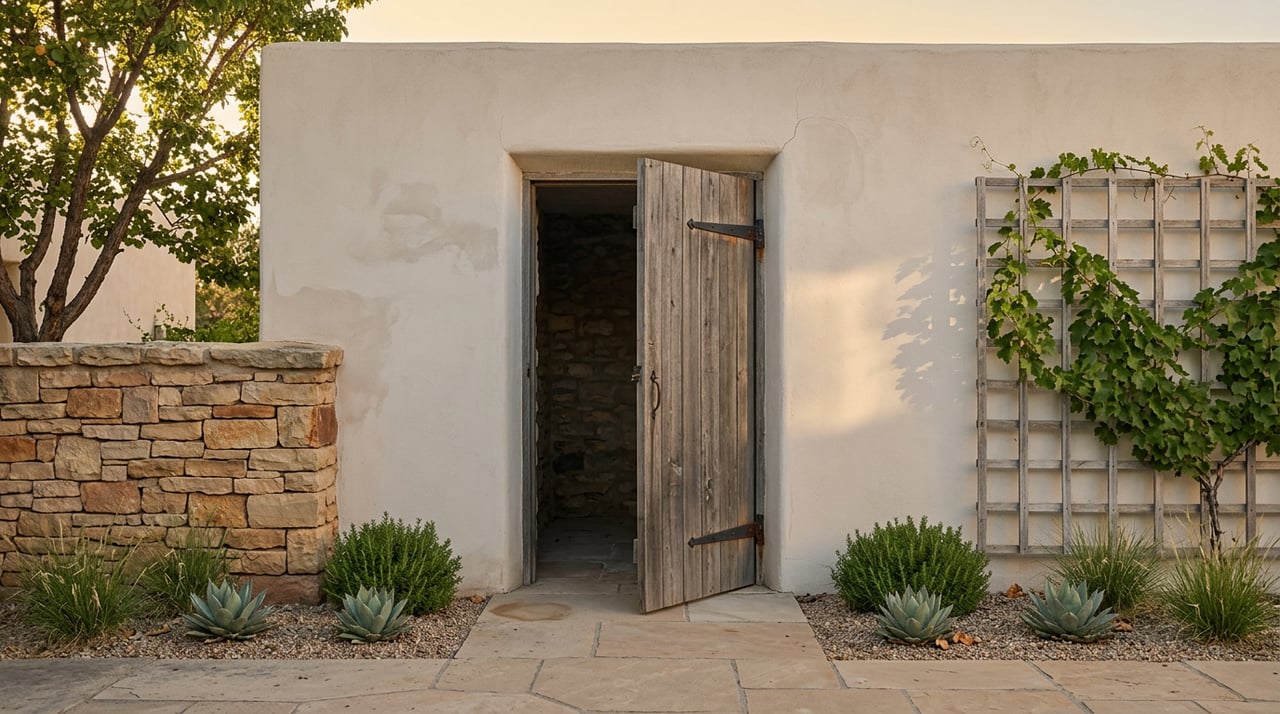
Living in Barelas isn’t about perfection, and it’s not trying to be. It’s about being part of something that already exists, something with history, character, and a strong sense of place. The homes here tend to be smaller and more modest, often with adobe elements or older construction styles that reflect the neighborhood’s age. You’ll find a mix of longtime residents and newer homeowners who are drawn to that authenticity, the kind that can’t really be replicated in newer developments. There’s also something to be said for its location. Being just minutes from downtown, Barelas offers a level of accessibility that’s hard to ignore, while still maintaining a distinct identity separate from the more commercial parts of the city. It feels connected, but not consumed by growth. For the right buyer, that’s the appeal. Barelas isn’t about trends, it’s about substance. It’s about choosing a neighborhood with history, with culture, and with a sense of continuity that still holds strong.
Why Barelas Stands Out
In a city that continues to grow and evolve, Barelas offers something different. It doesn’t try to compete with newer neighborhoods or follow the same path. Instead, it leans into what it already is, a place shaped by generations, by work, by culture, and now, by a thoughtful kind of renewal. It’s the kind of neighborhood that reveals itself slowly. The more time you spend there, the more you start to notice the small details, the stories, the people who give it life. That’s what makes Barelas stand out. It’s not just where Albuquerque has been, it’s part of where it’s going, too.
-
City of Albuquerque – Barelas Neighborhood & Rail Yards History
-
National Park Service – Historic American Engineering Record (AT&SF Rail Yards)
-
University of New Mexico Archives & Special Collections
-
Working Classroom