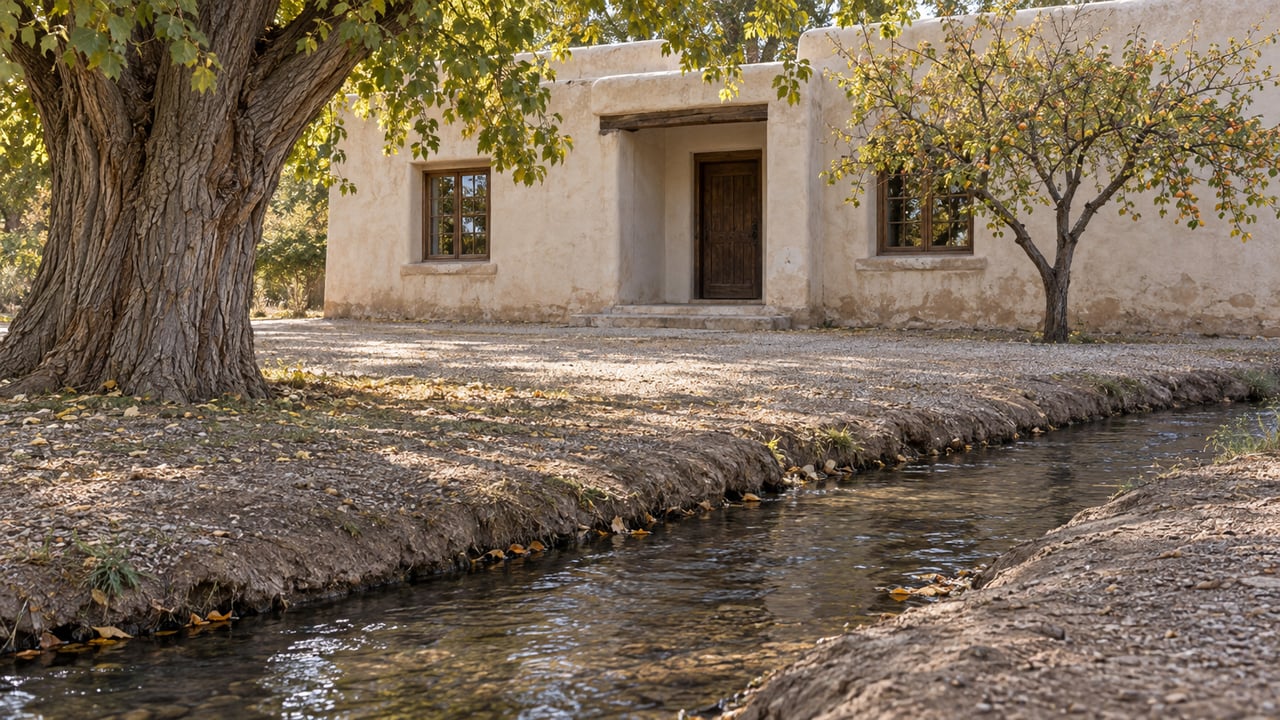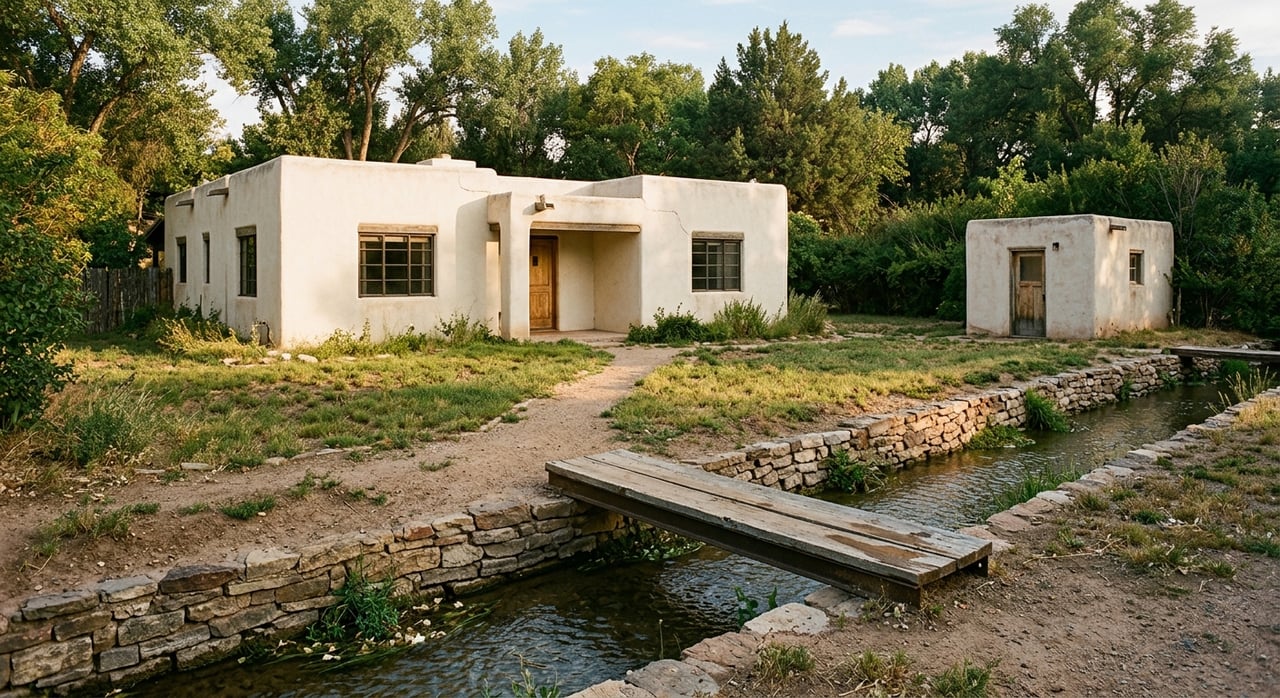
You picture shade from tall cottonwoods, a quiet lane, and maybe a small garden fed by a century‑old ditch. That North Valley lifestyle is real, and it draws many buyers each year. What trips people up are the details you do not see at first glance: acequias and water rights, zoning, floodplain rules, older‑home quirks, wells and septic, and how lenders look at all of it. In this guide, you will learn the essentials that matter before you write an offer, plus a practical checklist to protect your purchase. Let’s dive in.
Start with jurisdiction: county or city
Before you assume anything about zoning, permits, or utilities, confirm whether the property sits in unincorporated Bernalillo County or within Albuquerque city limits. Many homes marketed as “North Valley” are in the county, while others fall inside the city. Rules, permit offices, and even water and sewer service can differ.
- Pull the official county zoning map and note the parcel’s base zone and any overlays. The county map is your starting point for unincorporated areas. You can access it on the county’s website under the Bernalillo County Zoning Map PDF.
- If the parcel is inside Albuquerque, your project will follow the city’s Integrated Development Ordinance and city permits. Do not rely on assumptions or old listing notes. Confirm the jurisdiction early and get a zoning printout before planning any changes to the property.
For unincorporated parcels, the county zoning map is here: Bernalillo County Zoning Map.
Acequias and ditches 101
What an acequia is
An acequia is both an irrigation ditch and a community institution that allocates surface water. In New Mexico, acequia associations are recognized in state law, with elected commissioners and a mayordomo who manage maintenance and deliveries. Members who own water shares are called parciantes. Learn more from the state’s program page: New Mexico Office of the State Engineer — Acequias.
Water rights vs. the physical ditch
The water flowing through a ditch on your lot is not the same as owning the right to use it. Surface water rights, including many acequia rights, are administered through the Office of the State Engineer. Whether you receive usable irrigation water depends on whether the parcel carries a recognized right or share and on seasonal conditions. Ask for OSE water‑rights records tied to the parcel, and review any deed language that references acequia shares or a headgate. Start here: Office of the State Engineer.
Who maintains which ditch segments
The Middle Rio Grande Conservancy District (MRGCD) operates large diversion infrastructure and many main canals, but not every neighborhood lateral or community ditch. Many smaller ditches are maintained by local acequia associations and their parciantes. Deliveries are not guaranteed on a fixed schedule and may rotate during shortage years. See MRGCD’s operations guidance: MRGCD FAQs.
The buyer questions to ask
Treat an acequia like a utility paired with a community membership. Before you close:
- Request the seller’s documentation of acequia membership, past assessments, and any bylaw summaries.
- Ask for deed references to ditch easements, headgates, and water shares.
- Call the mayordomo or commissioners to confirm service, rotation practices, and any outstanding obligations.
- Review OSE records for the parcel if irrigation rights are material to your plans.
The New Mexico Acequia Association’s governance handbook outlines common obligations and easements: Acequia Governance Handbook.
Zoning and land use in the North Valley
Much of the unincorporated valley floor is zoned for rural or agricultural uses. In Bernalillo County, A‑1 (rural agricultural) zoning is intended to preserve open, agricultural, and lower‑density character. It can allow residential use on larger lots and agriculture‑related outbuildings, but it still carries setback, lot coverage, and accessory‑use rules.
- Do not assume you can add a second dwelling, build a tall shop, or run a specific agricultural business without confirming permissive uses and permit paths.
- Get a zoning‑use printout from the county planning office for your exact parcel. Some sector plans in the valley include more detailed land‑use guidance for certain corridors.
Helpful references: the Bernalillo County Zoning Map and county sector plan materials that outline land‑use intent for nearby areas.
Outbuildings, animals, and small agriculture
Sheds, barns, and shops may require building permits depending on size and whether you add power or plumbing. If your lot is near an arroyo or within a flood‑affected area, you may also need grading and drainage approvals before construction. The location of a septic tank or drainfield, and any recorded ditch easements, can limit where you place corrals, pens, or structures.
- Confirm setbacks for your zone and any floodplain or arroyo buffers.
- Pull an up‑to‑date site survey to map the well, septic components, ditch easements, and any headgates.
- Ask the title company to call out acequia and utility easements in the commitment.
For community ditches and access expectations, the Acequia Governance Handbook offers helpful context.
Flooding, arroyos, and drainage
The North Valley faces two kinds of flood exposure. First, there is historical riverine flooding related to the Rio Grande. Second, there is episodic flash flooding from arroyos and washes that empty onto the valley floor. Large‑river flooding has been reduced by upstream dams and levees, but arroyo flows and shallow ponding remain important hazards. The EPA’s summary on Middle Rio Grande flood risks underscores that you should not assume zero risk just because big floods are rarer today. See the EPA overview here: EPA flood context.
Your best first check is FEMA’s Flood Map Service Center. Pull the FIRM panel for the address and see if the site is within a Special Flood Hazard Area. If it is and your lender is federally regulated, flood insurance is typically required. You can also ask a licensed surveyor for an Elevation Certificate to document the building’s elevation. Explore FEMA’s tools here: FEMA Flood Map Service Center.
Wells, septic systems, and lender checks
Many North Valley properties use private wells and on‑site wastewater systems. You want to verify permits, performance, and compliance early since lenders and public health authorities have specific standards.
- Septic systems in New Mexico are regulated by the New Mexico Environment Department’s Liquid Waste Program. Bernalillo County also has its own onsite wastewater ordinance. For property transfers, NMED requires a property‑transfer evaluation by an approved evaluator. Review guidance here: NMED Liquid Waste Program.
- Wells are regulated by the Office of the State Engineer, which maintains permits and well records. Ask for the well permit, any driller test data, and recent lab water tests. Start at the Office of the State Engineer.
- If you are using FHA, VA, USDA, or another government‑related loan, expect well yield and water quality testing, plus a septic evaluation, before closing. FHA’s Single Family Housing Policy Handbook describes these checks and typical setbacks between wells and septic components. Reference: HUD Handbook 4000.1.
Plan and budget for pump tests, certified lab sampling for coliform and nitrate, and a transfer evaluation on septic. If tests find issues, allow time for repairs or negotiate credits.
Older homes and valley construction quirks
The North Valley includes many older homes, from traditional earthen construction to mid‑century frames. You will want inspections tailored to the building type.
- Adobe and other earthen walls are sensitive to moisture. Roof flashings, parapets, and site drainage must be working well. A contractor or inspector familiar with earthen construction can help you catch problems before they spread.
- Some older homes still have outdated electrical systems or dated plumbing. A licensed electrician can look for knob‑and‑tube remnants, inadequate grounding, or undersized service.
- If the home was built before 1978, federal rules require disclosure of known lead‑based paint. The EPA’s Renovation, Repair and Painting rule also requires certified lead‑safe practices for paid work that disturbs painted surfaces in pre‑1978 homes. Learn about the RRP rule: EPA Renovation, Repair and Painting.
Your North Valley due‑diligence checklist
Use this step‑by‑step list to organize your process.
Before you write an offer or right after acceptance
- Confirm jurisdiction: Bernalillo County or City of Albuquerque.
- Pull a zoning printout for the parcel from the county planning office. Review minimum lot size, setbacks, and accessory‑use rules. See the county zoning map.
- Check FEMA’s map for flood status and note any arroyos nearby. Use the FEMA Flood Map Service Center.
- Ask for seller disclosures related to acequias: ditch location, headgate, membership, and assessments in the last three years.
- Request well and septic permit numbers, last pump service, and any recent water test results.
During your inspection contingency
- General home inspection by a licensed inspector.
- Septic property‑transfer evaluation by an NMED‑approved evaluator. See NMED guidance.
- Well pump test and certified lab water analysis for coliform and nitrate. Ask about arsenic testing where local geology suggests risk.
- Structural inspection by a pro familiar with adobe or unreinforced masonry if the home has earthen walls.
- Electrical inspection focused on outdated wiring, grounding, and service capacity.
- Roofing and drainage review to protect earthen walls from moisture.
- Pest and wood‑destroying organism inspection.
- If the property maps in a Special Flood Hazard Area, order an Elevation Certificate from a licensed surveyor.
- If acequia water matters to you, walk the ditch with the mayordomo to confirm turnouts and discuss rotation practices. Check OSE records at the Office of the State Engineer for any surface water rights attached to the parcel.
Title, survey, and easements
- Require a title commitment that specifically calls out recorded ditch or acequia easements, MRGCD easements, and utility easements.
- Order a current boundary survey that shows the headgate, ditch alignment, well, septic components, and any encroachments.
- Verify that planned outbuildings will respect setbacks, ditch easements, flood buffers, and septic clearances.
Lender and insurance steps
- If using FHA, VA, USDA, or other government‑related financing, share details on wells, septic, and any flood status with your lender early. Expect well yield and water quality testing, septic evaluations, and flood insurance if the home is in an SFHA. Reference the HUD 4000.1 Handbook for standard checks.
- Shop flood insurance if required or if you want optional coverage based on local arroyo or ponding risk.
Long‑term obligations and costs to plan for
- Acequia membership often includes annual “limpia” cleaning in spring. You may owe labor or a fee in lieu. Associations can assess fines or restrict deliveries if obligations are not met. The Acequia Governance Handbook offers a plain‑English overview of common bylaws and duties.
- Septic systems need periodic pumping and maintenance. Some valley pockets have shallow water tables or soil conditions that can shorten drainfield life. NMED’s homeowner resources outline transfer rules, approved products, and permit steps: NMED Liquid Waste Program.
- Community and state programs sometimes fund acequia rehabilitation and improvements. Ask your local association about current projects and how they may affect access or assessments.
Putting it all together
Buying in the North Valley rewards careful homework. When you confirm jurisdiction early, check zoning, understand the acequia and water‑rights picture, and plan for well and septic testing, you remove surprises. A good survey and a title commitment that calls out easements will protect your future plans for outbuildings, animals, or small‑scale agriculture. With the right inspections for older construction, you get ahead of moisture or electrical issues that can be costly later.
If you want a guide through these details, we are here to help. Schedule a free consultation with Austin Wolff to map your goals to the right North Valley property.
FAQs
What is an acequia and why does it matter when buying in the North Valley?
- An acequia is a community irrigation ditch and a legal institution that manages surface water; you need to verify whether your parcel carries water rights, confirm membership and assessments, and understand easements and maintenance duties.
How do I verify zoning for a North Valley property in Bernalillo County?
- Pull the official Bernalillo County zoning map and request a zoning‑use printout for the parcel from the county planning office to confirm setbacks, lot size, and permitted uses.
Do I need flood insurance in the North Valley?
- Check the FEMA Flood Map Service Center; if the home is in a Special Flood Hazard Area and you use a federally regulated loan, flood insurance is typically required, and you may also want coverage based on local arroyo or ponding risk.
How are wells and septic systems handled during a home purchase?
- Plan for a well pump test, certified lab water sampling, and a septic property‑transfer evaluation through an NMED‑approved evaluator, plus permit checks for both systems.
What inspections should I order for an older adobe or earthen home?
- In addition to a general home inspection, hire a pro familiar with adobe or unreinforced masonry, have a roofer check flashings and parapets for moisture control, and schedule electrical and plumbing evaluations.