If you picture mornings with coffee on a lively plaza, dinner a short walk away, and a train that can take you to Santa Fe without driving, Downtown Albuquerque may be your kind of everyday. You want a neighborhood that trades extra square footage for energy, culture and convenience. In this guide, you’ll learn what daily life feels like in Downtown, from walkability and housing to parking, transit and the Rail Yards. Let’s dive in.
Downtown at a glance
Downtown is compact and mixed use, with a smaller resident base compared to its weekday workforce. City planning materials note roughly 2,000 residents in the core study area and highlight a census tract with about 645 housing units and a population near 1,887, which means Downtown functions more as a central office and civic hub that is steadily adding homes over time. You will notice heavier weekday foot traffic and quieter evenings, with activity rising near restaurants and on event nights. The area also splits into micro-districts, from the Plaza and Civic Plaza blocks to the Warehouse District and the edge by the Historic Rail Yards, each with a different feel for noise, parking and housing types. For context on boundaries and land use, review the city’s Downtown MR materials in the official planning document from the Metropolitan Redevelopment Agency at the City of Albuquerque Downtown 2025/2050 planning page.
Weekday rhythms reflect a long-running jobs to housing imbalance. A city report describes a large daytime population and a smaller group of residents, which explains why some blocks can feel busy at lunch and calmer at night outside of nightlife hubs. You can scan that broader context in a City Council background report on Downtown’s roles and usage patterns in the ABQReport overview.
Walkability and daily errands
Walkability is one of Downtown’s top selling points. Many blocks earn Walk Scores in the 70s to 90s, which means you can often handle daily errands on foot if you live in the core. To understand a specific address, use a block-level check on the Walk Score 87102 page.
Here is what a typical week can look like if you live near Central, Gold, or the Plaza:
- Coffee, lunch and dinner are short strolls, with a mix of independent spots and bars nearby.
- Quick errands like convenience items, a library visit, or a clinic appointment are often within a few blocks.
- For fresh produce and local goods, you can plan your weekends around markets, which brings us to culture and food.
Dining, markets and culture
Two open-air markets anchor the weekend scene. The Downtown Growers’ Market at Robinson Park and the seasonal Rail Yards Market draw crowds for produce, food, crafts and music. The Rail Yards Market typically runs Sundays in season, and it is one of the most visible community gatherings in the city. You can see how locals fold it into their plans in this Albuquerque Journal roundup of spring happenings that highlights the market’s role as a weekend draw for arts and community events.
Evenings bring theaters, live music and programmed art nights. The historic KiMo Theatre and surrounding venues host a steady calendar, and city-led and nonprofit events are frequent enough that you should expect some late-night noise on busier weekends. If you like to explore on foot, the city and partners also share walking routes and history, such as the Plaza to Plaza walking tour overview.
Housing types and what you’ll find
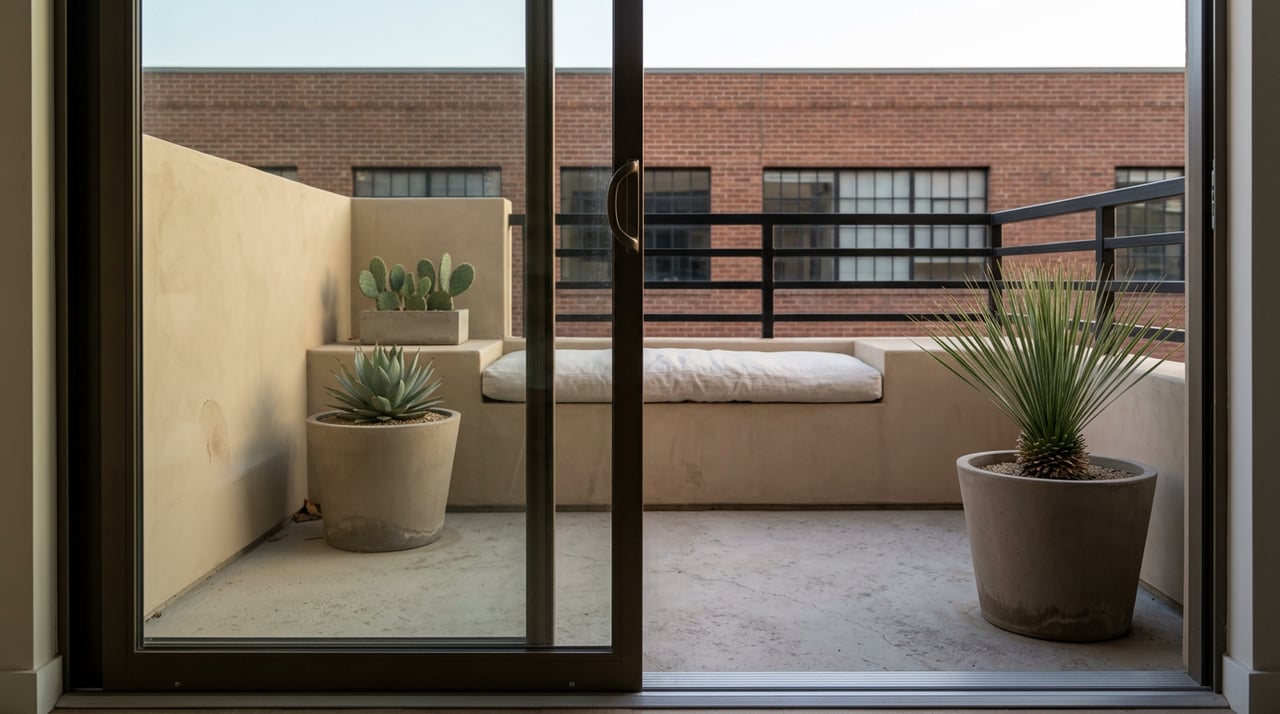
Downtown housing leans urban: condos and lofts in converted warehouses, historic mid-rises and newer infill buildings, plus some townhomes and live/work units near the core. Most residences are studios to two bedrooms, with sizes that favor efficient plans over extra rooms. Buildings vary widely in amenities, from modern elevators and gyms to older conversions with character-rich finishes and fewer shared features.
Sale prices tend to span a broad band. Neighborhood snapshots commonly show median listing prices in the low to mid $300Ks, with individual condos and lofts often ranging from under $200K to $400K or more depending on building, floor, views and parking. Rents for typical one-bedroom apartments can run in the mid $1,000s to low $2,000s, with two bedrooms higher. Costs shift with HOA fees, utilities and any parking arrangements, so review each listing’s specifics carefully before you decide.
Expect a few common tradeoffs with loft and condo living:
- Character vs space. Exposed brick and tall ceilings may come with less storage or smaller closets.
- Parking varies. Some buildings include garage spots or offer paid permits, while others rely on street or nearby garage parking.
- Systems and sound. Older buildings can have different HVAC or insulation details than new construction, and sound can travel more in some conversions.
Parking, noise and practical tradeoffs
Parking exists, but it is managed and often paid. Downtown uses a mix of metered street parking, municipal garages and private lots. A 2025 Downtown parking survey by the City highlights resident and visitor concerns about garage maintenance, reliability and safety, and notes that monthly options vary by block and building. If you plan to keep a car, review your building’s parking options and check the city’s Downtown parking survey results to understand recent conditions.
Noise is part of the urban soundscape. You will hear trains near the Alvarado Transportation Center and the Rail Yards, traffic on Central, and nightlife on event nights. City planning documents also call out the rail right of way and key underpasses for pedestrian upgrades, which aligns with what residents notice on the ground. For an overview of those infrastructure priorities and edge conditions, refer to the city’s Downtown planning document.
Safety perceptions vary by block and time of day, like most urban centers. To make an informed decision, review recent data instead of relying on anecdotes. The Albuquerque Police Department publishes quarterly NIBRS reports and crime mapping that you can check by address and timeframe; start with the 2025 NIBRS quarterly stats page and then drill down to map layers for block-level context.
Getting around without a car
If you prefer a car-light lifestyle, Downtown is one of the best places in the metro to do it. The Alvarado Transportation Center is a true multimodal hub for ABQ RIDE local buses, the ART bus rapid transit on Central, the New Mexico Rail Runner commuter rail, Amtrak and intercity buses. That means you can commute north to Santa Fe or south to Belen without driving, and handle many local trips by bus or foot. You can read more about the ATC and Downtown’s role as a transit node in the city’s Downtown planning materials.
Local service is frequent on many lines, with typical daytime headways around 15 to 30 minutes. The ART Red and Green lines run along Central Avenue through the heart of Downtown, connecting you east and west on the Route 66 corridor. If you are mapping out a commute or daily routine, start with the city’s overview of the Albuquerque Rapid Transit system and then check current schedules.
The Rail Yards today and tomorrow
The Historic Rail Yards are both a current amenity and a long-term project. Today, the Sunday Rail Yards Market is a major seasonal draw for food, art and live music, and it gives residents a ready-made weekend plan a short stroll from the core. Over the long run, the city’s Rail Yards Master Development Plan outlines a phased redevelopment of the site, which could bring new activity and improved public spaces over time. For background and history, read Section 2 of the city’s Rail Yards Master Plan.
Public works tied to the larger vision are underway on nearby links. The Albuquerque Rail Trail, including a Central Crossing by the ATC, has a construction timeline that can affect pedestrian routes and bus detours during active work. The Albuquerque Journal recently highlighted these projects in a seasonal guide to civic happenings, which is a good place to check for updates on current access near the Rail Yards and ATC; skim the roundup for current notes and confirm status before a move.
Is Downtown a fit for you?
Downtown tends to suit you if you value walkability, restaurants and arts, and the ability to use transit for many trips. You will likely prefer smaller, efficient lofts or condos and are comfortable trading a private yard or garage for proximity to amenities. You enjoy some weekend buzz and can live with periodic event nights.
If you want a large yard, a multi-car garage or very quiet evenings every night, you may want to compare nearby traditional neighborhoods or suburban areas. There is no right or wrong, only the lifestyle that matches your day-to-day needs.
How we can help
Choosing the right Downtown block is all about fit: walkability for your routine, the right building amenities, a noise level you can live with, and a plan for parking or transit. We help you weigh those tradeoffs with local insight and data, then line up the best options for your budget. If you want to explore condos, lofts or townhomes in the core, we will curate listings, analyze HOA and parking details, and preview micro-districts so you feel confident.
Ready to see if Downtown fits your life? Reach out to Austin Wolff to schedule a free consultation and start your search with a local plan.
FAQs
How walkable is Downtown Albuquerque for daily errands?
- Many central blocks score in the 70s to 90s on Walk Score, so you can often handle coffee, lunch, basic shopping and services on foot; check a specific address on the Walk Score 87102 page.
What is parking like for residents in Downtown Albuquerque?
- Expect metered street parking, municipal garages and private lots, with monthly options varying by building and block; review your building’s terms and the city’s Downtown parking survey results for recent conditions.
What types of homes and prices are typical in Downtown?
- You’ll mostly see condos and lofts in historic conversions and mid-rises, plus newer infill, with studios to two bedrooms common; listings often range from under $200K to $400K+, and rents for one-bedrooms are often in the mid $1,000s to low $2,000s depending on amenities.
How is public transit access from Downtown Albuquerque?
- Strong: the Alvarado Transportation Center connects local ABQ RIDE buses, ART BRT on Central, the Rail Runner, Amtrak and intercity buses, with many routes running every 15 to 30 minutes; see the city’s ART overview.
Are the Rail Yards an amenity for residents today?
- Yes, the Sunday Rail Yards Market is a seasonal community anchor with food, arts and music, while the larger Rail Yards redevelopment is phased long-term; read the city’s Rail Yards Master Plan and check the Journal’s roundup for current happenings.